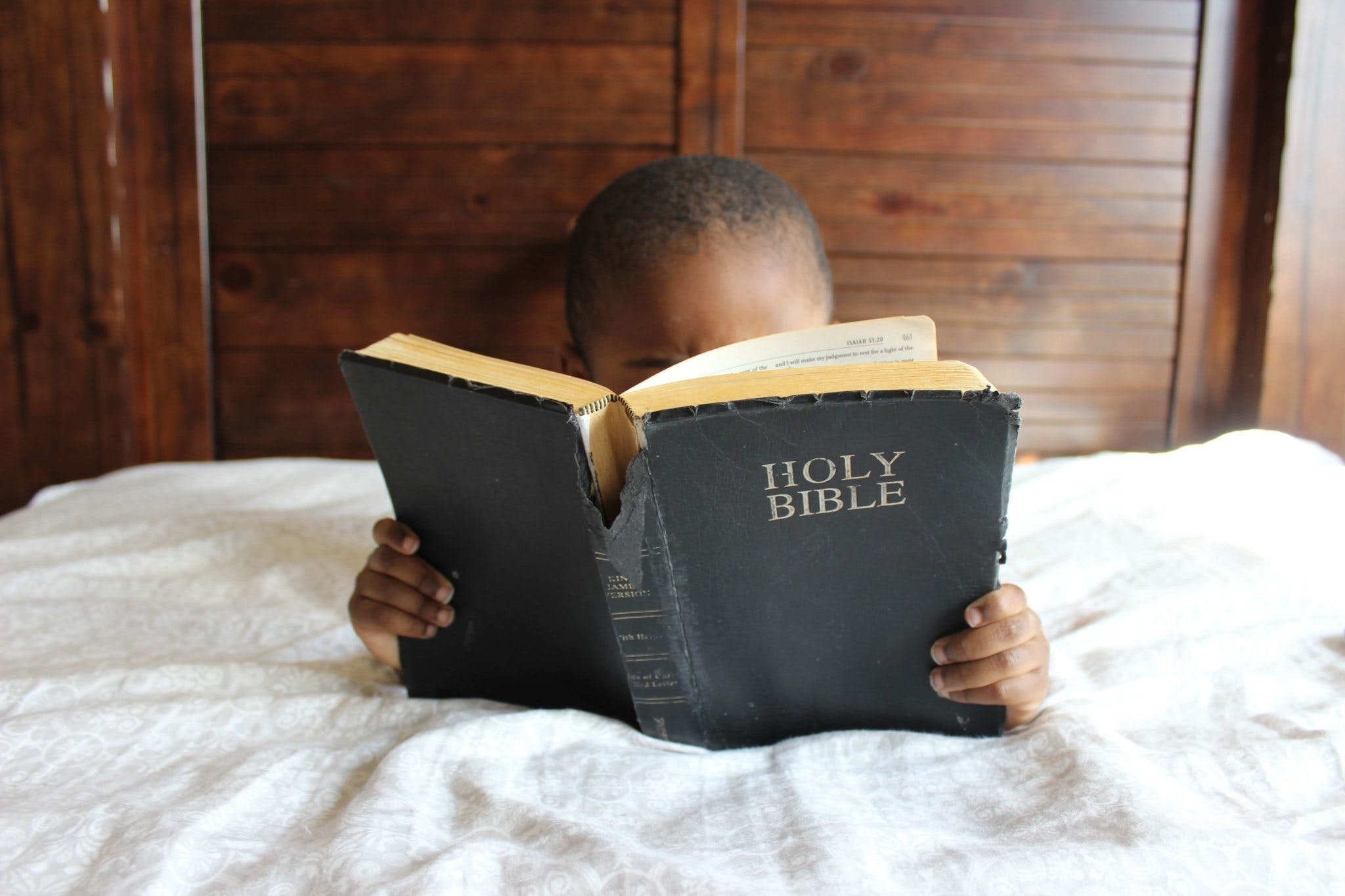
#2024GOAL – Reading Through The Bible Chronologically, day 34

   Day 34 —  We are in the second month now! We’ve been reading for over 1/12th of a year! Praise God. I pray it’s become a GOOD habit that will continue, and that your heart is leaning more towards HIM.

   Day 33 – Exodus 13 – 15  (sons, signs, the sea, songs)

Chapter 12 showed us THE EXODUS of the long-enslaved people of God and the birth of “Israel.” They all had escaped at the hand of God when all of Egypt’s first born were killed.

Chapter 13 begins with God telling Moses that every FIRST BORN in Israel (boy or beast) belongs to Him. (After all, they had been spared in the slaughter of Egypt’s sons.) Later, a “redemption” coin would be paid to the Lord’s priests in order to “buy back” or redeem a family’s first son. First born animals would killed or become a sacrifice to God.

Then God tells Moses that the new nation was to observe a Feast of Unleavened Bread when they reached the Promised Land to remember the night of their escape. It would be a time to tell their future generations of the miracle, and also a witness of God’s power to the nations around them.

God establishes the means He will lead Israel on their journey, by His very Presence as a Pillar of Fire at night and a Pillar of Cloud by day. And He led them – not due north into Gaza of the Philistines – but south-east towards the Red Sea and Sinai.  (Oh, and as a footnote, Moses took the coffin bearing Joseph’s bones with them, as their ancestors had promised him 430 years earlier.)

FREE!  FREE!  We are FREE!  But then came the SEA.

In chapter 14, God TOLD Moses to lead Israel right up to the Red Sea and camp there, facing the water. Wow. What a barrior! And their exhilaration began to fade into reality. This wasn’t going to be an overnight trip to reach the Promised Land. First Israel would need some training in the ways of their God, Yahweh. They needed to learn to TRUST Him. And OBEY Him.

Meanwhile Pharaoh came to his senses. “What have we done?” He calls for his chariot and leads an army of all his horsement and 600 chosen chariots to get them back. And, Ha! There they are, stuck at the Red Sea! Easy-peasy.

The people cried out!

Moses said, “Fear not. Stand firm. See the salvation of the LORD which He will work for you TODAY.”

Then Moses (at God’s direction) raised that staff of his over the sea and divided the water!!!!   And the people (who were already facing the water) began to cross ON DRY LAND.  Two million of them, with flocks and herds and wagons of loot. The water stood up on either side of them. WHAT A SIGHT!!  And the Angel of the LORD stood between Israel and the Army of Pharaoh. Thick darkness on Egypt’s side so they could not approach Israel until they were through.

After the last Hebrew foot left the sea bed, the Egyptian army charged forward through the water on dry, or maybe muddy, land. When they reached the middle the heavy chariots began to bog down. They tried to turn around but at that moment, Moses again held out his staff over the sea and God closed the watery passage and drowned them all – horse and rider and chariot.

And “Israel saw the great power that the LORD used against the Egyptians, so the people FEARED the LORD, and they BELIEVED in the LORD and His servant Moses.” (14:30)

And in chapter 15 they sang a song of triumph that Moses wrote. (wow!!).

“I will sing to the LORD for He has triumphed gloriously; the horse and rider He has thrown into the sea.”

“The LORD is my strength and my song, and He has become my salvation; this is my God and I will praise Him.”

“Who is like You, O LORD, among the gods? Who is like You, majestic in holiness, awesome in glorious deeds, doing wonders?”

“You have led in Your mercy the people whom you have redeemed; you have guided them by Your strength to Your holy abode.”

And Moses’ sister grabbed a tamborine (who knew this family was so musical?) and led the people in the singing.

BUT…… a mere three days later the bedraggled, hot, and thirsty Israel came to a watering hole that had turned bitter.  They grumbled to Moses. (This will become a habit for the ungrateful ex-slaves.)  And God, in His MERCY told Moses to grab a nearby branch and throw it into the water.  Ta da!!  Instant sweet water!  Calamity averted.

There God laid out a statute for them that would continue beyond this incident and into the Promised Land.  IF….they would —

  • diligently listen to His voice
  • do what is right in His eyes
  • give ear to His commandments
  • keep all His statutes.

THEN….. He would put none of the diseases on them that came on the Egyptians (plagues) because HE was their HEALER. (Just as He healed the bitter water, He would heal them.)

Shortly afterward (as a kind of pledge by God) they came to the place of TWELVE springs of water, and seventy palm trees (an oasis!) and camped there.

#2024GOAL – Reading Through The Bible Chronologically, day 33

   Day 33 —  We are in the second month now! We’ve been reading for 1/12th of a year! Praise God. I pray it’s become a GOOD habit that will continue.

   Day 33 – Exodus 10 – 12  (three plagues, Passover, and escape)

The LORD tells Moses that these mighty plagues were not only for Pharoah and all Egypt, but also for Moses to tell to the following generations of Israel so they too would KNOW that He is “the LORD.”

LET MY PEOPLE GO!  Or locusts will destroy your country.

Chapter 10. At this point Pharaoh’s servents tell him to let the slaves go! “Do you not yet understand that Egypt is ruined??” (Think how Egypt was enriched under the direction of another man of God, Joseph. Now, the entire economy is being destroyed.)

Pharaoh growls out that the Hebrew MEN can go to sacrifice to their God. But when Moses insists that all their children and flocks and herds must go too, Pharaoh erupts in anger, “NO!”  So at the God’s direction, Moses stretched out his hand over Egypt and a great, black hoard of locusts blotted out the sun and covered the land. They devoured the newly sprouting wheat and all fruit and leaves on trees.

Pharaoh agains feigns sorrow and confession of sin and pleads for Moses to ask God to take away “this death” from him. In answer to Moses’ prayer, and in accord to His plan, God caused a great wind to blow every single last locust away from Egypt and into the Red Sea.  And as soon as that was done, the LORD hardened the king’s heart even more.

Without a warning, God brings the ninth plague via Moses’ hand stretched to heaven. Utter and complete thick darkness descends on Egypt for three days (but not in Goshen). It seems that not even a candle could be lit for the people could not even see each other.

The steel-hearted Pharaoh tells Moses that the men AND children can go… but NOT the herds and flocks.  “No deal.” says Moses, and Pharaoh screams for him to get out and NEVER SEE HIS FACE AGAIN.

“Just so,” answers Moses.  In chapter 11, he gives a final warning, telling Pharaoh about the last deadly plague (which God had earlier told Moses about).

About midnight “I” will go out in the midst of Egypt and every firsborn in the land of Egypt shall die, from the firstborn of Pharaoh to the firstborn of the slave girl, and even to the first born of the cattle.” But God, through Moses reminds them that not even a dog shall growl against any of the Hebrews.

Then, in hot anger, Moses leaves Pharaoh’s presence forever.

Chapter 12. Earlier Moses had given the people of Israel instructions about their “EXODUS.”  First they were to prepare for that dreadful night when the first born sons would die. To keep the angel of death from their homes they were to take a spotless lamb, kill it, and use its blood to mark the doorposts and lintel of their doors. When the Angel saw the blood… he would “pass over” that house and NOT visit it with death.  They would be safe because of the blood of the sacrificed lamb, which ultimately pointed to the sacrificial death of Jesus, THE Lamb of God, to save all who believed and “applied” His blood.

Israel should also prepare to depart Egypt quickly. They were to go to all their neighbors and ask for clothing, silver and gold jewelry. (God gave them favor in the sight of the Egyptians, so they “plundered” Egypt.)  Also their flocks and herds should be round up, their things packed, and a final meal of the roasted lamb, and unleavened bread (no time to let the dough rise) baked.

At midnight, with the last of the meal finished, and dressed in their traveling clothes, backpacks on and staffs in hand, they began to hear “A GREAT CRY” in Egypt. The firstborn sons were dying.  This was the sign, and the people, led by Moses, moved out of Egypt.  All 2+ million of them, which included some Egyptians and other Semitic people who “identified” with Israel’s God, plus huge herds and flocks of animals.

(What a great hole they must have left in Egypt.)

They had been in Egypt 430 years to the day (perhaps counted from when Joseph was first taken there as a slave). God watched until every last one of his “chosen” people walked out of slavery. 12:42

.

(Earlier in chapter 12, God had instructed the people, through Moses, about the meaning of this “Passover,” and how it was to be celebrated annually in remembrance of God’s great deliverance. The blood of the spotless lamb, and the unleavened bread were especially important. These two things are what Jesus points to in the Last (Passover) Supper He celebrated with His disciples, refering to the bread and wine as His body and blood “given for them,” signifying a NEW covenant. Matthew 26:26-28

#2024GOAL – Reading Through The Bible Chronologically, day 32

   Day 32 —  WOW, we are beginnng a new month! We’ve been reading for 1/12 of a year! Praise God. I hope that it’s become a GOOD habit that will continue.

   Day 33 – Exodus 7 – 9  (Powerful proofs, pests, plagues and pestilence)

So far, Moses and Aaron have approached the ruler of Egypt with a demand and a warning. But Pharaoh replies, “WHO is this God that I should obey him? No! And get out!”  And he makes Israel’s slavery even worse.

The brothers (Moses at 80 and Aaron at 83), perform the 3 signs that God showed Moses by the burning bush, but Pharoah is not impressed. “Ha! my magicians can do the same thing!” (And, surprisingly, they do!)  And the heart of Pharoah is hardened.

LET MY PEOPLE GO!  Moses & Aaron stretch their staff over the mighty, worshipped Nile River… and it turns to blood (Plague #1) . Pharaoh’s sorcerers do the same. (WHY don’t they reverse the plague instead of worstening it??!!!) After 7 days, God withdraws the plague. Pharoah’s heart remained hard.

Chapter 8 begins with a repeat demand, LET MY PEOPLE GO! The brothers stretch out the rod over Egypt’s water sources and collections… and they swarm with frogs (Plague #2). The waters, homes, and even drinking pots all are filled with these “sacred” creatures, that the people cannot kill – similar to the cows in India.  (Again the court magicians can make frogs appear!!! But NOT go away.)

EEEKKKKK! Pharaoh pleads with Moses to make them “go away” and he will let the people go away too.  Moses is faithful (he prays). God is faithful (frogs all die the next day). BUT, Pharoah hardens his heart, changes his mind, and says, “No Go!”

LET MY PEOPLE GO!  Then there follows two similar plagues (#3 & #4)both attacking the “bug” gods of the Egyptians. First comes swarms of gnats, and this time Egypt’s finest magicians CANNOT duplicate the gnats. “Hey, King, this is the finger of God!” they proclaim.  BUT Pharaoh’s heart is hardened. He would not listen.

LET MY PEOPLE GO!  Nope! So comes the plague of flies, and this time the Hebrews in Goshen are spared!  Whoa!  Pharaoh calls Moses and says, “Okay, okay, you can sacrifice to your God.” Moses reiterates that they must go out of Egypt to do that.  “Okay, okay!! Just make these flies go away!”

Moses warns him as he leaves, “But don’t cheat this time!” Pharoah waves him away.  Moses prays and God responds. Not a single fly is left. Again… Pharoah hardens his heart. “No flies? Ahhh. But NO GO to the Hebrews.”

LET MY PEOPLE GO!  Or else a plague (#5) will kill YOUR livestock, chariot horses, donkeys, camels, herds & flocks, but NOT those in Israel.  And it was so. Pharaoh even sent people to see if the Hebrews in Goshen were spared. They were!  The wicked king (even seeing all the dead animals) hardens his heart further.

Plague #6 comes without a demand or a warning. Moses throws handfuls of soot from a kiln into the air in Pharoah’s sight and voila! boils all over him, his court & magicians, and the people of Egypt. (The magicians must have had lots on their feet, because they could not even stand up.  Fitting!)

This time GOD hardens Pharoah’s heart. No more chance to repent.

LET MY PEOPLE GO!  As Pharoah resists, God says to him,

“By now I could have put out my hand and struck you and your people with pestilence, and you would have been cut off from the earth. But for this purpose I have raise you up, to show you my power, so that my name may be proclaimed in all the earth.”

Then God promises to send something on them (#7), that ONLY the God of Heaven can do. Gigantic hail from heaven, and lightning that will run like fire along the ground. This is no sickness, or over-population of algae, amphibians and bugs. This is power from heaven.  In his mercy, God advises the people to bring inside their animals and themselves and they will be safe. Those who listen and obey are saved.

Moses reaches out his staff towards heaven… and the LORD sends thunder, and hail, and fire down from heaven; heavy hail such as has never been seen before, crushing the men and beasts who remained outside, as well as the flax and barley crops.  Except in Goshen.

Pharoah cries before Moses;

  • “I have sinned
  • The Lord is right
  • I and my people are wrong
  • Plead with the Lord. There has been enough hail & thunder
  • I will let you go. You will stay no longer.”

‘Yeah, right, Pharoah!”  Moses knows the king doesn’t fear God, but again shows God is merciful and prays for the judgment from heaven to stop. (The not-yet-sprouted wheat had been spared.)

And guess what? Pharoah reneges again. His heart is like stone.

#2024GOAL – Reading Through The Bible Chronologically, day 31

    Day 31 —  Won’t you read the Bible with me this year?   It only takes a few minutes.  (You can also listen to an audio recording.)

   Day 31 – Exodus 4 – 6  (Moses, God, Aaron, Pharoah & Israel)

Chapter 4 continues the amazing conversation between the LORD and Moses at the burning bush at Sinai. God has just told him that HE will bring out His people from Egypt, and they will plunder that country in the process. Oh wow!

But (yes, that is Moses’s first word). But… they won’t believe me!  I can almost hear God sigh. Okay… here’s a couple minor miracles that you can show them. And when Moses obediently throws down his shepherd’s staff, it turns into a SNAKE!!  Yikes!  Moses runs from it, but God says to catch it by the tail. Seriously???  But Moses obeys and voila! it is a staff again. (By the way, the snake is one of the symbols of authority in Egypt.)

Then God does the leprosy (yikes again!) miracle – first appearing when Moses pulls out his hand from his robe, and disappearing when he puts it back inside. (I imagine Moses is really shook up by now, but God offers a third miracle that he will do when he gets to Egypt. Get a pitcher of water from the “holy-to-Egyptians” Nile River, and when you pour it out… it will be BLOOD!

It’s settled then, right? No!

Moses’s next word again was, “But…”  This time he says he can’t talk eloquently, in fact he has a stutter. (Perhaps from only talking to sheep for 40 years and hearing their “baa-baa-ba.”)

God is losing patience with His man. Who gave you that mouth, Buddy?  Me.  If I made it, I can make it talk for me!  But…alas… I’ve summoned your bro Aaron. He can talk. He will talk for you…for me.

Moses can’t find another excuse so he goes home and explains to his father-in-law that God has called him to set the Hebrew people free from slavery in Egypt.  Surprisingly, this priest of Midian sees God’s hand in it all and sends him off “in peace.”

Chapter 5 finds the brothers before Pharaoh in Egypt. “The God of Israel says ‘Let My People go so they can hold a feast to Me in the desert.”

WHAT???, says Pharoah. “Who is the LORD that I should obey his voice.  I WILL NOT!”

Moses & Aaron resort to, “Please let us go to sacrifice to the LORD our God, lest…… a pestilence fall on us.”

“NO!! NO WAY! GET OUT OF HERE!”

And Pharaoh doubles the load on the already super-burdened Hebrew slaves. And they ask Moses why he ever came. They aren’t delivered. Their situation is WORSE.  And of course, Moses goes to God and accuses Him of the same thing. YOU HAVE NOT DELIVERED YOUR PEOPLE … AT ALL!

In chapter 6, you can almost see God rubbing his hands together. “NOW you will see what I shall do to Pharoah.” Then he preaches a mini-sermon to Moses, recalling His promises to the Patriarchs.

“I have heard the groaning…”

“I have remembered my covenant…”

“I am the LORD and I will bring you out…”

“I will deliver you from slavery…”

“I will redeem you…”

“I will take you to be my people…

“I will be your God…”

“I will bring you into the land I promised your forefathers and give it to you for a possession…”

“I AM THE LORD.”

Then follows a brief genealogy of Moses and Aaron (the tribe of Levi), beginning with their faithful parents Amram and Jochebed.

.

(And then the contest begins. You’ll be sorry, Pharaoh, that you messed with the Living God.)

#2024GOAL – Reading Through The Bible Chronologically, day 30

    Day 30 —  Won’t you read the Bible with me this year?   It only takes a few minutes.  (You can also listen to an audio recording.)

   Day 30 – Exodus 1 – 3  (Israel grows & becomes a threat, Moses appears)

In Joseph’s time, Israel was 70 people strong. Now, 300+ years later (chapter 1), they had “increased greatly; they have multiplied and grew exceedingly strong, so that the land was filled with them.”  WOW!  (God was fulfilling His promise to Abe in Genesis 15.)

But the new, paranoid Pharoah is afraid of them. What if…? And what if they…? he worried. So he set out to “deal” with this problem. First he conscripted the Hebrews to build cites for him through hard manual labor. Then – because they just got stronger and multiplied – the forced labor got ruthless and turned into cruel slavery. And still they multiplied.

The next solution was to kill baby boys at birth, but that didn’t work out so well. God used the midwives to save the newborns.  Pharoah’s “final solution” was infanticide. He commanded all Egyptians to throw EVERY son born to the Hebrews into the crocodile-infested Nile River.

But a beam of hope arises in chapter 2. A beautiful baby boy is born to a couple who are from the tribe of Levi. (Not Joseph, not Judah).  The mother kept her son hidden as long as she could, but babies do cry loudly sometimes. So she obeyed the ruling pagan authority and “cast” her baby boy into the Nile.  It just so happens, that he was lovingly wrapped and placed in a water-proof basket, and had a big sister to look after him.

He “happened” to float by where Pharoah’s (childless) daughter was bathing and began to cry pitifully.  She had the basket brought to her, recognized the baby boy as Hebrew (circumcision), but instantly wanted him.  Miriam steps up right then and offers a wet nurse for the baby, and Pharaoh’s daughter PAYS the baby’s own mother to nurse him. WOW. But at about 3-years old, Jochabed gives up the baby (named Moses by the Egyptian) to live as the grandchild of the Pharoah.

This was of course all in God’s plan. Moses is trained up in all ways (achedemics, languages, military command, etc,) to become a leader (not for Pharoah, but for God).  He just needed some time learning how to lead…. SHEEP. Dumb sheep.

After defending a Hebrew slave by killing an Egyptian taskmaster (a big no-no), Moses has to flee for his life. He runs hundreds of miles away, trekking across the Sinai desert to Midian. (Midianites were descendants of Abraham & his second wife, Keturah). There at a well, where some women came to water their sheep, another matchmaking takes place. Moses meets the seven daughters of the local priest, and marries one of them, Zipporah and looks after his sheep. The have a son (later another one).

It looks like Moses (mighty man of God) has sunk into obscurity.  Well, he has.  For forty years he herds, feeds, cares for, chases after, and nurses flocks of sheep.

Then God calls him.  He was trained 40 years in Egyptian leadership and 40 years in shepherding. God has heard the cries of his people in slavery, and Moses is ready.  Well, GOD thinks he is ready. Not so, Moses.

In chapter 3, God talks to him through a burning bush that does not get consumed. (But not TOO close, for the area around God Almighty is holy).  Moses, God says, “Come, I will send you to Pharoah that you may bring my people the children of Israel out of Egypt.”

“WHAAAATT???”  Moses cries. Who am I?

God promises Moses His very Presence will go with him, and, in fact, God will help Moses bring the nation back to the very spot on which they stand.

“What am I gonna tell the people?”

God tells Moses to use his “personal” name to the people. The Name he used with Abraham… I AM WHO I AM. (Yaweh, or Jehovah).

Then God goes on to tell him how it will happen. He is to tell the Pharoah certain things, which will be resisted, do some miracles, which will be resisted. Then God will bring them out with POWER, with lots and lots of loot, and take them to the Promised Land.

(Okay. It’s settled, right?  Wrong. Moses, the sheep-herder has more objections.)

#2024GOAL – Reading Through The Bible Chronologically, days 28 & 29

 Day 28 & 29 — (I combine Sunday and Monday reads.)  Won’t you read the Bible with me this year?   It only takes a few minutes.  (You can also listen to an audio recording.)

   Day 28 – Genesis 46-47  (Jacob settles in Egypt, Joseph manages the famine)

Chapter 46 sees the old man, Jacob/Israel packing up his family and goods and beginning the trek south. He stops briefly in Beersheba and sacrifices to God. God assures him it’s the right ting to do. “Jacob, Jacob, I am the God of your Father. Do not be afraid to go down to Egypt, for I will make you into a great nation. I myself will go down with you…”  

There were 66 family members in all in the caravan (70 persons in his “house” counting Joseph, his wife and sons). Before the Hebrews return, there will be 600,000 men, not counting women and kids.  God’s promise told to the Patriarch’s would begin to come true – they’d be as numerous as the sand, dust, and stars.

After 22 years thinking his fave son was dead, Jacob finally meets Joseph, the Vice-Pharoah in Egypt. What a scene! Lots of hugging and weeping.  Then Joseph settles them in the “prime” land of Goshen, away from the capital. He tells them what to say when he introduces them to the Big Man. They were to say they are “shepherds.” Egyptians do not like sheep, so Goshen is perfect.  At the meeting, Jacob blesses Pharoah, not the other way around.

In chapter 47, we see Joseph, relieved to have his family nearby, back to the seriousness of running the economy of Egypt in the remaining 5 years of famine. It looks like he is draining the hungry people dry, but they seem pleased to give up their money, land, and themselves to receive grain to eat and plant.

Jacob/Israel is coming to the end of his days. He’s lived in Egypt near his favorite son for 17 years.  He’s 147 now, and he calls Joseph to extract a promise from him.

“…promise to deal kindly and truly with me. Do not bury me in Egypt, but let me lie with my fathers. Carry me out of Egypt and bury me in their burying place.  PROMISE!”  And Joseph swears it. (He will make a similar request before he dies).

Day 29 – Genesis 48-50 (the last chapters) – (Blessings & Promises)

In chapter 48, Jacob/Israel, knowing he will die soon, begins to gather his sons together for the Patriarchal Blessings. Joseph brings his two sons to his father (Manassah & Ephraim) to be blessed. Jacob “adopts” them as his own sons, giving them equal portions with the other 11 brothers. Remember three things here:

  1. Jacob considers Rachael as his “wife”
  2. Jacob considers Rachael’s first born, Joseph. as the one who gets the Birthright (double portion of his inheritance)
  3. In adopting Joseph’s sons and giving them equal portions with his own sons, he carries out this “double portion” in heritance for Joseph.

Again, as in all the sons of the Patriarchs, Joseph’s second son gets the greater honor – Ephraim over Manassah. And they are considered part of the 12 Tribes of Israel. When the united kingdom spits after Solomon dies, the Northern half is often called “Ephraim.”  (Judah is the name as the Southern half).

And finally, in chapter 49, Jacob gives his Blessing to all the sons, revealing both their character and the portions of the Promised Land that will be theirs. As before, he passes up Reuben, Simeon, and Levi (because of their wickedness) and proclaims Judah as the progenitor of the One who will bless all the nations on the earth, the Eternal King, the Lion of Judah (Jesus, the Messiah).

Then the old Patriarch dies.

Chapter 50 covers two amazing things. One, Jacob/Israel is embalmed as per the custom of the Egyptians. He is mourned for 70 days, then, as per his desires, he is transported to the Promised Land, and buried in the cave of Machpelah, where his grandfather/grandmother, father/mother, and Leah are buried. The Canaanite inhabitants are astonished at the great complany of Egyptians that attend the burial.

Two, after ALL THESE YEARS, still obviously feeling guilt, Joseph’s brothers come to him with a story (true or made up??) that before he died Jacob told Joseph to forgive them for selling him into slavery.

Joseph is astonished and cries out in grief.  He has long since forgiven them (even before they first came to Egypt).  He assures them AGAIN, that even if THEY meant it for harm, GOD meant it for good, in order to save all of them alive (and fulfill His promises to Abraham).

Do they finally believe him?  I hope so.

And then the time comes for Joseph to die (110). He extracts a promise from his brothers (and families) to “carry his bones” with them when they return to the land God promised them. (Joseph totally believed God’s words to Abraham that after 400 years, God would bring Israel back to the Promised Land.)

Then Joseph dies, his body is embalmed and placed in a coffin….”resting” in Egypt for 400 years.

.

NOTES: 1) Exodus 13:19 tells how Moses made sure to collect Joseph’s bones before the “Children of Israel” left Egypt.

2) Joshua 24:32 tells how Joshua buried Joseph’s bones in the portion of land that Jacob had bought from Hamar in Shechem.

#2024GOAL – Reading Through The Bible Chronologically, day 27

   Day 27 —  Won’t you read the Bible with me this year?   It only takes a few minutes.  (You can also listen to an audio recording.)

Day 27 – Genesis 43 – 45 – (Joseph tests brothers, sends for Jacob)

Chapter 43. The second year of famine hits harder and Jacob/Israel’s family have run out of food again. The Patriarch tells his nine sons to go down to Egypt and buy more.  

Judah reminds him of the Egyptian ruler’s words – they must take Benjamin or not bother to come. When Jacob objects, Judah pledges HIMSELF as a surity for his kid brother. Jacob finally agrees to the inevitable, but tells them to take double money and some gifts.  And he prays, “May God Almighty grant you mercy before the man.”

When they arrive, Joseph brings them all into his house. He’s going to feed them a sumptuous meal, but THEY think they are doomed. Again the brothers bow down low to him. When Joseph sees Benjamin, emotion overwhelms him and flees to his bedroom to cry. After washing his face and returning as the stern vice-ruler of Egypt, he orders the meal.  He seats the brothers in birth order which amazes them. And, as a test to see if their jealousy toward Ben is really gone, heaps much more food and goodies on his younger brother. No reaction. (a good sign)

Chapter 44 tells of one more test Joseph gives his brothers.  He fills all their grain sacks to the brim, once again adding back their money, but also places his own silver chalice in brother Ben’s sack. ALL ELEVEN brothers leave, relieved at having escaped in tact.  But they soon see the dust of a chariot approaching them. Joseph’s steward accuses them of stealing his master prized cup. 

“What? No! We wouldn’t do that!!”  The Steward searches their sacks, and of course in the last one – Benjamin’s – it is found.  The brothers are terrified!  (Did they accuse their young brother of actually taking it?) The steward says only the thief will need to return, but they ALL go. They would rather face an angry Egyptian ruler than their own father if Benjamin is not with them!

Joseph feigns anger. Judah confess their guilt (selling of Joseph, but not stealing the cup) and tells him they all will be his servants.  But Joseph says only the thief stays, the rest can go home.

Now we see Judah at his best. (Remember his humble confession of sin back in chapter 38?)  Now he offers HIMSELF in place of Benjamin. (A picture of what Christ did!) He says that his father will die if Benjamin is not returned. What a change from when he first said, “Let’s kill Joseph,” with no regard to his fathers feelings. Judah has truely changed. 

Chapter 45. When Joseph sees Judah kneeling before him, offering his own life, he can stand it no longer. He sends all his servents out and breaks down. In Hebrew he confesses he is their brother, Joseph.  They are shocked, stunned, speechless, and scared to death. 

Joseph beckons them closer (to get a gook look at him) “I AM YOUR BROTHER, JOSEPH, whom you sold into slavery. Do not be distressed or angry with yourselves. God sent me before you to preserve life… to preserve for you a remnant on earth…to keep alive for you many survivors.”  He tells them of the five remaining years of famine yet to come. “It was not YOU who sent me here, but GOD. Now, hurry, go get my father and bring him to me!”

The brothers finally believe him, fall on him with mutual weeping and talk the night away.

The ELEVEN return to Jacob (can you imagine his joy at counting all the heads of his sons?). They convince him that it is true. Joseph is alive. Joseph is vice-Pharoah of Egypt. Joseph has prepared a place for them. Joseph want to see his father.

“It is enough,” Jacob cries. “I will go see my son before I die.”


#2024GOAL – Reading Through The Bible Chronologically, day 26

   Day 26 —  Won’t you read the Bible with me this year?   It only takes a few minutes.  (You can also listen to an audio recording.)

Day 26 – Genesis 41 – 42 – (Joseph & Pharoah’s dreams, Joseph meets 10 brothers)

It’s been TWO LONG YEARS since Joseph asked the Wine Steward to remember him to Pharoah. Finally in chapter 41 he remembers! His boss has had a couple disturbing dreams about cows and corn, and the court “soothsayers” can’t interpret them. What to do??

“Oh, yeah!” says the steward, thunking his head. “I remember a Hebrew slave in prison.  He can do it.”

They send for Joseph, and they bring him out of “the pit.” He shaves himself (Egyptians like smooth cheeks and bald heads), changes his clothes and presents himself to the king of the land.  He reminds Pharoah that ONLY GOD can interpret dreams and that He will give the king an answer.

Pharoah tells his weird dreams – seven fat cows are eaten up by seven skinny cows, who got no fatter. And then seven ears of corn growing on one stalk (amazing, usualy only 2-3) are swallowed by seven withered, thin, and blighted ears. (I see a theme here….)

God reveals the meaning of the dreams to Pharoah through Joseph. Seven years of amazing plenty in Egypt, followed by seven years of severe famine. And…. “God will shortly bring it about.”  Yikes!  But our wise, enslaved-for-13-years, Hebrew lad has a suggestion: Choose a discerning & wise man to oversee the land. Collect 20% of all the crops for seven years and store it away for the time of famine, so that Egypt won’t starve to death.

Wahoo!!  Guess who Pharoah picks and sets up in Egypt as vice-ruler, second in command only to the king? He gives Joseph a signet ring for sealing documents, garments of fine linen (watch those fancy coats, Joseph!), a gold necklace, and the second (flashiest) chariot in the garage. (This is basically what Potipher and the prison keeper did to Joseph, but to a much greater scale.God was certainly with him.)

Joseph also got a new name, and at 30-years-of-age, he was given a wife who bore him two sons – Ephraim & Manassah. (Recognize these??)

Joseph collected the required Federal cut of grain each year, built storehouses for it, and socked it away. Then came the severe famine. Joseph opened the storehouses and SOLD the grain to the people.  People from other countries came to Egypt looking for food, and Joseph SOLD it to them, enriching Egypt’s coffers.

Chapter 42 flashes back to Canaan where Jacob, his 11 sons and all their families began to feel the pinch. “Go down to Egypt and buy some grain so we don’t die!” demanded Jacob to his TEN sons. No way was he sending Benjamin, the only remaining son of his “wife” Rachel. (The “boy” was probably in his early twenties then.) They took money and began a trip that their great grandfather had made several hundred years before.

Joseph is shocked to see his ten brothers seeking food and bowing down before him. (Flash back to his own dreams when he was a boy.)  He counts and sees only 10 brothers.  Have they done away with his full brother Benjamin too?

Thinking quickly, he calls them SPIES and quizzes them about their father and the other boy. To further shake them up, he puts them in jail for three days. They groan and wail that this was their punishment for what they did to their brother, Joseph. They do not know that this Egyptian ruler can understand Hebrew.  Their words and sorrowful guilt after all these years touches Joseph and he cries.

Then with his commander face back on, he tells them he will let them take the grain, but they will get NO MORE unless they bring their younger brother with them next time. And as further incentive, he keeps Simeon in jail as collateral.

The NINE brothers return home and tell Jacob/Israel what happened (including the fact that all their money bags were found back inside the grain bags.

“NOooooooooooo!” wails their father. “You will NOT take Benjamin. He is the only son I have left.” (huh?) Reuben – probably glad the ruler took Simeon and not HIM – offers to keep Benjamin safe, saying Jacob could kill his own two sons if harm comes to him.  WHAT??  Are you kookoo, Reuben? Kill two of Jacob’s grandsons!!  Sheesh.

It doesn’t matter. Jacob absolutely REFUSES to send his “only” son to Egypt.

(We’ll see about that. Hunger causes desperation.)

#2024GOAL – Reading Through The Bible Chronologically, day 25

   Day 25 —  Won’t you read the Bible with me this year?   It only takes a few minutes.  (You can also listen to an audio recording.)

   Day 25 – Genesis 38 – 40 – (Judah & Tamar, Joseph & Potipher, the butler, and the wine steward)

Chapter 38 steps briefly away from the story of Joseph to give us a glimpse of Leah’s fourth son, Judah, through whom the Messiah will come. We’ve seen his 3 older brothers disqualify themselves. (Reuben slept with his father’s concubine, and Simeon & Levi massacred a whole town for revenge.) It would seem Judah is about to do the same disqualifying thing, but look for his humble confession of sin.

This chapter is full of a lot of cultural things that leave our mouths haning open. God executing sinful men on the spot, brothers siring children for a deceased sibling, deception, prostitution. It’s all there with Judah and his sons and daughter-in-law.

His two oldest sons sinned mightily before God and died. Judah went against custom and withheald his 3rd son from the widow. Tamar the offended daughter-in-law deceived her father-in-law. Judah went to a “prostitute” then later self-righteously condemmed her to death for immorality, until she declared HIM as the means of her pregnancy. Read 38:26. Judah’s eyes are opened to his own sin and says of Tamar’s actions and his own, “She is more righteous than I, since I did not give her to my son Shelah.” 

It is through one of the resulting twin sons the the Messianic line is continued. God is so merciful and gracious. “Oh that men would praise the LORD for His goodness and mercy to the children of men.” Psalm 107:8

Back to Joseph in chapter 39 (but we will see the “converted” Judah again in chapter 44.) Meanwhile Joseph is sold to Potipher, Captain of the King’s Guard. And whoa! Everything that the Captain puts into Joseph’s hands prospers. He soon makes the handsome young slave overseer over everything in his life except the food he eats. AND his wife. (No problem there for Joseph.)

But the wife lusts for Joseph and tricks him into fleeing her boudoire to escape her wiles. Unfortunately, she grabs his coat and in the process of escape he slips out of it. (Poor Joseph, again at the mercy of a “coat.”) She falsely accuses him of trying to rape her, whimpering before her deceived husband, the Captain. Immediately the innocent Hebrew slave is sent to prison. (And assumably Potiphars prosperity declines.)

God is with Joseph and he finds favor with the prison keeper, who soon puts him in charge of all the prisoners (in order that, presumably, HE can be only concerned with his meals! Ha!)

In Chapter 40, two of Pharaoh’s top guys – who look after HIS meals (bread and wine) – fall into disfavor. The Captain of the Guard (Potiphar) appoints Joseph to be with them and attend them while they await trial. 

One night these two men have disturbing dreams. Joseph asks why they are so troubled and they tell him their nightmares, wishing there was someone who could interpret them. Ahhhhhh… our dreamer of dreams himself is there and tells them that only God can do that, but offers to try.

The Wine Steward goes first, telling of three lush grape clusters that he juices into the wine glass in Pharoah’s hand. Good news! Joseph tells the man he’ll be restored to service in three days. Then he begs the Steward to remember him and mention him to Pharaoh so he can be released.

The Baker, cheered, tells his dream about carrying three baskets on his head that are full of yummy baked goods for Pharaoh. But the darn birds kept coming and eating the goodies. Bad news! Joseph sadly tells the man that in three days he’ll be executed.

The fate of both men plays out just as God revealed to Joseph, but the Wine Steward, forgets Joseph.

#2024 GOAL – Reading Through The Bible Chronologically, day 24

   Day 24 —  Won’t you read the Bible with me this year?   It only takes a few minutes.  (You can also listen to an audio recording.)

   Day 24 – Genesis 35 – 37

In Chapter 35, after the horrific situation with his daughter in Shechem and Jacob’s fear of retaliation in the last chapter, God now comes to the road-weary man with a new direction.

“Get up to Beth-el and live there. Make an alter there to the God who appeared to you when you fled your brother.”    (Beth-el is where Jacob had the stairway to heaven dream and first heard God’s promises. He’s a different man now. His fathers’ God is now HIS God.)

He commands his household to get rid of all their foreign gods/idols and purify themselves.  Hmmm, besides the ones Rachel stole from her father, where did all these idols come from?  Remember in 34:29 when Jacob’s sons plundered the city of Shechem, they took all the livestock, all the little kids and wives, all their wealth, and ALL THAT WAS IN THEIR HOUSES.

Jacob obeyed God, left the pagen idols behind, and began the 20-mile trek south to Bethel to worship “the God who answers me in my day of distress.”  And, “a terror from God fell upon the cities that were around them, so that they DID NOT PURSUE the sons of Jacob.” 35:3-4  WOW!

Jacob and fam, arrived at Beth-el, he built the alter and worshiped God. God reaffirms his name change to Israel, and identifies Himself as God Almighty (El Shaddai). He reaffirms the promises given to Abraham and Isaac…

  • they would be fruitful and multiply
  • nations and kings would come from him
  • the land would be given to him and his offspring

Two deaths are mentioned in this chapter. Rachel, Jacob’s beloved wife, dies in labor wit her second son, whom Jacob names Benjamin. He buries her near Ephrath (Bethlehem – remember when Herod tries to kill Jesus by killing all the boys under two in Bethlehem? It said “Rachel was weeping for her children, who were not.” This is the place.)

And soon after Jacob meets up with his father, Isaac (and I’m sure, introduces all his children to “Grampa” and tells his story of the last 20+ years), Isaac dies at the age of 180.  Jacob & Esau bury him in that burial cave along with Abraham, Sarah, and Rebekah.

Chapter 36 (don’t skip reading it!) gives the geneology of Esau, his children and leaders, and cities they become.  36;6-8, tells of Esau’s whole family, with livestock and possession leaving the area (much like Lot did when it became too crowded), moving south and east to what will be know as Edom.

Chapter 37 begins the story of Jacob’s “favorite” son, Joseph. (Didn’t he learn a lesson about favortism from his parents??) But, Jacob’s heart remembered his beloved Rachel, and this was her first born son. He lavishes love on him and gives him the special, long and long-sleeved coat of a “ruler” of his brothers, an “amazing technicolor dreamcoat.”  (Just kidding.)

Joseph’s brothers KNEW EXACTLY what it symbolized and hated their “pompous” little brother, who tattled on them every chance he got and taunted them with his “dreams” of superiority.”  (Yes, God sent the dreams as prophecy, but did he have to share them???)

They got their revenge, and when they saw the boy coming to where they were pasturing the sheep (way north, past Shechem), they plotted first to kill him, and then to sell him for profit to a caravan of Ishmaelites going to Egypt.

(It’s interesting that both Reuben & Judah did not want him killed (37:21 & 26). These two brothers will also seek to save Bemjamin’s life in Egypt.)

The chapter ends in double tragedy. Joseph, the exalted son, becomes a slave to Potiphar, a captain of the guard for Pharaoh.  And Jacob (the great deceiver) is deceived again, this time by his sons, who tell him that Joseph must have been killed by wild animals.  The “ruler’s coat” is torn and splattered with blood (by them) to prove his untimely death.

Jacob is inconsolable in his mourning and weeping, and wishes he were dead too.

(But God means it all for good.)