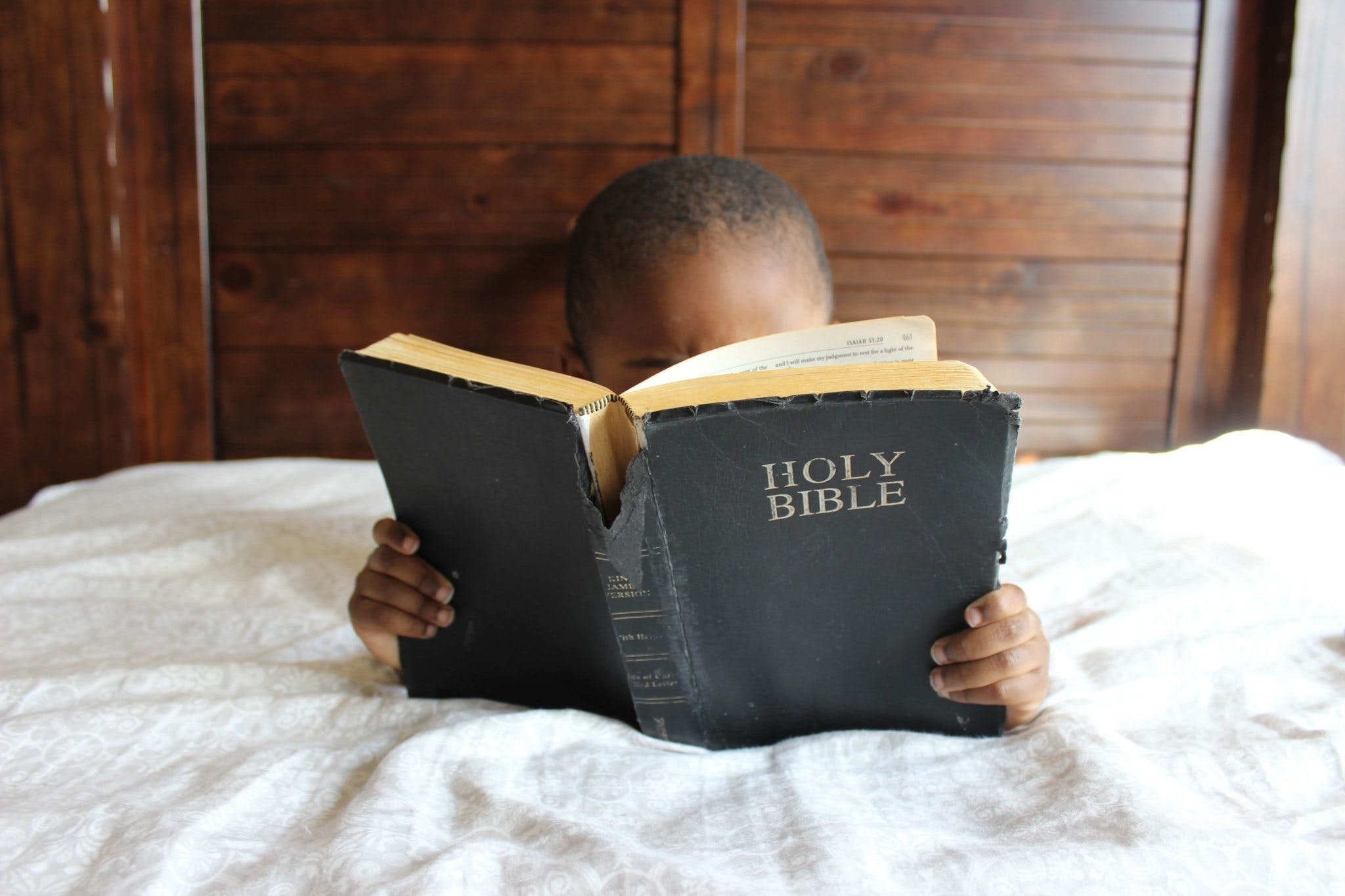
#2024GOAL – Reading Through The Bible Chronologically, day 58

    Day 58 —  We are still in the second month, but we’ve begun a new book! We’ve been reading for over a 1/12 of a year! Praise God! I hope that it’s become a GOOD habit that will continue.

   Day 58 – Numbers 8 – 10 (Levites,, Passover, the Cloud, Bye-bye Sinai)

In chapter 8, Another ceremony is instigated of setting apart of the whole tribe of Levi, as the representatives of God’s “first born.” God also sets the age of retirement for priests at 50 years old. They may still guard the Tabernacle, but no long serve in it.

In chapter 9, the whole of Israel celebrates Passover the first time since the original one the night of their escape from Egypt. Some people were worried, that if they had become unclean from, say touching a dead body, they weren’t able to celebrate on that day. God gave lenience and said they, and whoever might be on a long journey, could celebrate it a month later. (How kind is our God!)

Directions were made clear also about the “cloud” or visible presence of God with Israel. When it rested, covering the Tabernacle, they were to remain in that encampment.  However, if it lifted, they were to pack up and follow wherever it led. Whether it rested in one spot two days, a month, or even longer, Israel was not to move, but to always to look to God for their direction.

Numbers 10. Also, because they were to be traveling, God told Moses to tell them about a series of trumpet blasts, as a sort of message, especially to those camped at a distance.  Different trumpets and blasts would be used to summon the people together (say for an important meeting), and at other times, the blasts would signal the breaking of camp. And also, the different blasts would signal how each of the four encampments would set out – decently and in order, as aways.

And finally, just after Passover (as in the first time) the now “nation” of Israel (complete with spiritual leaders and army) was to set out in stages from Mt. Sinai towards the Promised Land. Judah, with Issachar and Zebulun set out first,  Next the Gershonites and Merarites, two of the Levite clans, would leave with the Tabernacle structure . After them, Reuben with Simeon and Gad left, followed by the Kohathites caring the Holy furnishings of the Tabernacle. (Except the Ark of the Covenant, which would lead everything.) Next Ephraim with Manasseh and Benjamin would follow, and finally Dan with Asher and Naphtali would march out, as Israel’s rear guard.

And so they set out on a three-day journey. I can imagine the great joy and excitement they felt, as the newly consecrated and organized people of God, with His laws and ordinances firmly set in their minds, finally realized they were now heading toward their destiny, the Land that God had promised to Abraham so many years before.  It was happening at last!  What could go wrong?

#2024GOAL – Reading Through The Bible Chronologically, days 56 & 57

   Day 56 & 57 —  We are still in the second month, but we’ve begun a new book! We’ve been reading for a 1/12 of a year! Praise God! I hope that it’s become a GOOD habit that will continue. (SUNDAY’s reading is combined with MONDAY’s)

   Day 56 – Numbers 5 – 6  (Confession & restitution, a test for Adultery, The Nazirite Vow)

God again tells Moses to instruct Israel on how to deal with uncleanness, and how to make restitution for sins against others. They must confess and then make things right.

Also in chapter 5, are the details solving the problem of jealousy by a husband towards what he thinks may be his cheating wife. It’s a bit frightening, involving certain offerings and a drink of holy water mixed with dust from the floor of the Tabernacle, and ink that the curses were written in. It was called “the water of bitterness that brings a curse.” The suspected adulteress was to take an oath. When she drank the water, THE LORD ALONE KNEW HER GUILT OR INNOCENSE, and would judge her with … 1) nothing, which proved her fidelity, or 2) a curse of bitterness, swollen bowels and a rotted thigh. (Definitely a strong deterrent to sleeping around)

Chapter 6 covers the rules concerning whether a man or woman wants to voluntarily make a special vow to the LORD, the Nazirite Vow. The requirements for keeping this vow are even more strict than the ones governing the priests’ lives. Grapes (any part and in any form), hair cutting, and being near a dead body were all forbidden. If any of that happened, the person would have to begin the period of their vow again from the start.  Samuel, Samson, and John the Baptist were men in scripture with life-time Nazirite Vows.

     Day 57 – Numbers 7 (Israel’s offerings)

The very long chapter 7 covers in DETAIL the many varied and abundant offerings that the people brought to the House of the LORD, tribe by tribe, for it’s use and the support of the Levites.

First the chiefs of all the tribes brought six wagons and twelve oxen to pull them. Two wagons with their oxen to the Gershonite clan of Levi (They were the ones who transported all the cloth materials of the Tabernacle and courtyard). Four wagons with their oxen went to the Merarite clan of Levi (They carried the poles, bases, and structural pieces of the Tabernacle). No carts or oxen was given to the Kohathite clan, for they were to carry the holy objects on their shoulder by the attached poles.

After that EACH TRIBE (listed in order they were set in camp, Judah first) gave THE EXACT SAME THINGS for the support of the Levites and the Tabernacle — a silver plate and bowl full of fine flour and oil (a grain offering); a golden dish full of incense; a bull, ram, male lamb for a burnt offering; one male goat for a sin offering; and two oxen, five rams, five male goats and five male lambs for the peace offering.

And then Moses went into the Tent to speak with the LORD, and the voice of the LORD spoke to him.

#2024GOAL – Reading Through The Bible Chronologically, day 55

    Day 55 —  We are still in the second month, but we’ve begun a new book! We’ve been reading for over a 1/12 of a year! Praise God! I hope that it’s become a GOOD habit that will continue.

   Day 55 – Numbers 3 – 4 (Counting Levites for service, delegating duties)

Yesterday, only the other twelve tribes of Israel were counted (20 years and up) for military service. Today the Levites will be counted in two ways.

Numbers 3. First, every male Levite from 1 month up was to be counted and dedicated to God in place of all of Israel’s first born sons. The slight overage in number of first born sons from the other tribes would each pay the “redemption money” of five sanctuary shekels to Aaron and his sons. In this way the whole of Israel would have a part in the religious activities and service to God.

Chapter 4.  Secondly, the Levites were to be counted according to their clans (the three sons of Levi), all of the men from 30 years old to 50 years old, and be given specific duties in the care and service and transport of the Tabernacle.

The Kohathites were to be in charge of the Most Holy things – all the “furniture” in the Tabernacle itself and the courtyard.  When the camp set out, Aaron and his two sons would go into the Tabernacle and cover the holy pieces with different colored cloths and goat skins. When this all was done. The Kohathites would carry these things by their poles (taking extreme care not to touch them themselves).

       Aaron’s son, Eleazar the priest, would be in charge of the holy oil for light and for anointing, and the holy incense, as well as have oversight of the packing of all that is in the Sanctuary and its vessels.

The Gershonites would be in charge of packing up and carrying all the curtains and coverings and cords of the Tabernacle as well as all the hangings of the outer court.

The Merarites (largest of the three clans) would be in charge of packing and carrying the frames, bars, pillars, bases, and pegs of the Tabernacle and outer courtyard.

       Aaron’s son, Ithamar, the priest would oversee the Gershonites and Merarites in packing up & carrying of the curtains, linens & skin coverings, as well as the frames, pillars, bases, etc.

All would be done “decently and in order” according to the exact instructions of the LORD to Moses.

#2024GOAL – Reading Through The Bible Chronologically, day 54

    Day 54 —  We are still in the second month, but we’ve begun a new book! We’ve been reading for over a 1/12 of a year! Praise God! I hope that it’s become a GOOD habit that will continue.

   Day 54 – Numbers 1 – 2 (Counting men fit for service, arranging the camp)

I’m more of a “words” person than a “numbers” person, so I’ll give you that name of this book in the Hebrew Torah.  It is called “In The Wilderness” and that pretty much describes it, except for the census here and at the end.

In chapter 1, God TELLS Moses to count the men of Israel who are 20 years and up and able to go to war. They will serve as Israel’s army when they enter the Promised Land. God assigns a man from each of the 12 tribes to assist him in the registration. Right away, Moses and Aaron gathered the whole congregation together, and with the help of the twelve heads of tribes, held the first national draft.

Numbers then lists the amount of able soldiers from each tribe, naming them in birth order, and giving two tribes for Joseph (as Jacob adopted Ephraim & Manasseh back at the end of Genesis). The tribe of Levi is not counted because they were to serve the LORD in the Tabernacle, not in the army. Judah’s tribe (a Prince among his brothers”) is the largest.  The total number of eligible men from all twelve was 603,550. (In a whole congregation of about 2 million people.)

Chapter 2 explains how the entire group of people would be divided and arranged. The Tabernacle, with the visible symbol of God as fire and cloud, would be in the CENTER of the camp.  Around that would be  Moses, Aaron, & the priests on the East, and the three clans of priests on the other sides.

After that, on the EAST side, facing the entrance to the Tabernacle court and tent, were to be the leading Tribe, Judah, along with Issachar and Zebulun. Judah and these two would lead out any march, just behind the Ark of the Covenant.

On the SOUTH, Ruben and his two brothers Simeon and Gad would camp.  On the WEST (backside of the Tabernacle) would camp Ephraim with Manasseh and Benjamin. (These were the three smallest tribes.)  And finally on the NORTH, were Dan with Asher and Naphtali.

When the pillar of fire/cloud (symbol of God’s presence) would rise, the Levites would disassemble the Tabernacle (by specific directions). The Ark would lead the march, followed by Judah and his brothers. Next would come the Levites carrying the Tabernacle, it’s furniture, and courtyard items. Then, like a circle uncoiling, Rueben’s group on the south, Ephraim’s on the West, and finally Dan’s on the North would follow, Dan’s group (the second largest) bringing up the rear guard.

When it came time to set up camp, they would circle, setting up the Tabernacle – it becoming God’s presence in the center – with the tribes extending out to the four directions again…. much like a cross.

#2024GOAL – Reading Through The Bible Chronologically, day 53

    Day 52 —  We are in the second month! We’ve been reading for over a 1/12 of a year! Praise God! I hope that it’s become a GOOD habit that will continue. TODAY IS THE LAST READING IN LEVITICUS.

   Day 53 – Leviticus 26 – 27 (Blessings & curses, Vows & valuations)

Leviticus 26 is much like the closing chapters of Deuteronomy. In it, God, through Moses, tells the people how He wants to bless them and WILL bless them in the Promised Land with goodness and plenty if they will obey Him.. 

If you walk in my statutes and observe my commandments and do them, then I will give you rains in their season, and the land shall yield its increase…. and (you will) dwell in your land securely. I will give peace in the land….”  (Leviticus 26:3, 4a, 5b, 6a)

“I will walk among you and will be your God, and you shall be my People. I am the LORD your God…  And I have broken the bars of your yoke and made you walk erect.”  (Lev. 26:12, 13b)

But…..  God then warns the people of FIVE, increasingly strong waves of discipline He will bring on them if they do NOT obey all His commandments, and instead break His covenant when they get to the Promised Land. (Sadly, if you know Israel’s history, this is exactly what happens.)  

(I too, often disobey and then feel God’s hand of discipline. But it is because God loves me that He disciplines me. Read Hebrews 12:5-9.)

After God lays out these waves of curses, there is another “BUT.”  IF His people will confess their iniquity….  IF their uncircumcised hearts are humbled…. THEN God will remember His Covenant with Jacob, Isaac, and Abraham…  “I will for their sake remember the covenant with their forefathers, whom I brought out of the land of Egypt in the sight of the nations, that I might be their God. I AM the LORD.   

(It reminds me again of 1 John 1:9 – “If we confess our sins, He is faithful and just to forgive us our sins, and to cleans us from all unrighteousness.”) (Because of Jesus)

The last chapter in Leviticus (27) is about vows and the valuations of things. God tells the people through Moses that they should be involved with and help to support the spiritual aspects of living with Him. Their vows and dedications of themselves (paid in shekels), their animals given as gifts, and their tithes of land will all help to support the priesthood once they are in the Promised Land, and will remind them of being the chosen people of the LORD God who redeemed them.

#2024GOAL – Reading Through The Bible Chronologically, day 52

    Day 52 —  We are in the second month! We’ve been reading for over a 1/12 of a year! Praise God! I hope that it’s become a GOOD habit that will continue.

   Day 52 – Leviticus 24 – 25 (blasphemy, retaliation, Sabbath years, Jubilee & restoration)

Leviticus 24 opens by reminding the people about holiness in the making of the oil for the Tabernacle Lampstands, and the flour in the bread for the Table of Presence, both are holy to the LORD.

Then there’s a cautionary story about a half-Egyptian son of a Jewish woman who blasphemes the Name of the Lord, and curses (Him).  God said to Moses to take him outside the camp and stone him to death. Pure and simple. Do not blaspheme the Name of I AM.

God then establishes the rule of retaliation that was first mentioned in Genesis 9:5-6, whoever kills a human, is to be executed. Life for life. Here, more details are added to RESTRICT, not INFORCE, retaliation. (Only) a fracture for a fracture, (only) an eye for an eye, a tooth for a tooth. Not more. Not death.

Chapter 25 deals with the time when Israel will be in the Promised Land. Currently they are to celebrate with rest the seventh DAY in every week. Then, they and their land would rest in the seventh YEAR.  No harvesting or planting. What grew of itself would be food for them to eat, but not for harvesting and storing.

Besides the seventh-year rest, all the land was to rest after 7×7 weeks of years, in the 50th year. it was to be called the year of Jubilee. Again they could eat the produce of the land for themselves, but not sow and harvest for storage or profit.

PLUS, in that year any land or person who had been sold to pay for debts would be returned to the owner, and released from servanthood.  The LORD would provide extra harvest in the year before, to carry them over until the harvests of the 51st year. God would be faithful provide their daily bread as they obeyed Him. If they did not…………..

(It is interesting that the prophets of Judah who observed them going into captivity said that the length of their exile was because they’d neglected this sabbath rest for their land.  Seventy years the land would rest while they were in Babylon… making up for the sabbaths they were deprived of, out GREED and lack of faith in their God.)

(Compare Leviticus 26:34-35 with (2 Chron. 36:21) “To fulfill the word of the LORD by the mouth of Jeremiah, until the land had enjoyed its sabbaths, all the days of its desolation it (the land) kept sabbath until seventy years were complete.”)

#2024GOAL – Reading Through The Bible Chronologically, day 51

    Day 51 —  We are in the second month! We’ve been reading for over a 1/12 of a year! Praise God! I hope that it’s become a GOOD habit that will continue.

   Day 51 – Leviticus 22 – 23  (priesthood holiness, the LORD’s festivals)

As in the previous chapter, Leviticus 22 emphasizes how holy and “clean” the priests are to be before the LORD in relationships, bodily & spiritual living, and even in eating the “holy” offerings that they are allowed to eat.

God says to them, “So you shall keep my commandments and do them: I am the LORD, and you shall not profane my holy name, that I may be sanctified among the people of Israel. I am the LORD who sanctifies you…”  

(There is great responsibility in leadership, especially in His service.)

In chapter 23, God tells Moses to instruct the people about seven festivals.  “These are appointed feasts of the LORD that you shall proclaim as holy convocations: they are my appointed feasts.”  The Sabbath was to be a continuing weekly time of rest.  Passover and Unleavened Bread, were events that they had already begun to celebrate. It was a time to remember how their God had delivered them from Egypt with great power.

Firstfruits was to be celebrated when they were in the land. It was to come shortly after Unleavened Bread. In it, they would dedicate the very first fruits of their agriculture labor by “waving” grain, flour with oil as a food offering before the LORD (as part of the Priest’s sustenance). They were to eat NONE of their harvests before this was first offered to God.

Weeks (or called Pentecost) came 50 days after Unleavened Bread, and would be another offering from the harvest they’d planted in the Promised Land.  First to God, then to themselves. (And as a side note, they were to leave the “corners” of their fields unharvested, so the poor in the land could glean food for their families.)

Trumpets (Rosh HaShana) would come in the fall as a SOLEMN day of rest. It would precede and prepare the people by confession and making thing “right” with their fellows, for the Most Holy Day of Atonement, the one day when the High Priest would carry the blood of the sacrificial goat into the Holy of Holies before the LORD to atone for the sins of the people of Israel. It would be a time of mourning for the people for their sins, confessing sins, and accepting the forgiveness and cleansing that only God can give.

Booths would be a joyous, fun time when the people recalled how God cared for them in the Wilderness. They would erect and live in booths, or make-shift shelters made out of branches and palm fronds, staying outdoors (like camping out for kids) for seven days. And they would also offer food offerings to the LORD (and priests).

These were happy and solemn celebrations, to remember God their deliverer and provider and the One alone who can cover/forgive their sins.

.

(Oh, that my heart would so remember, honor, and thank God throughout the year, weekly, daily, and even minute by minute. He truly is all I need for life and godliness.)

#2024GOAL – Reading Through The Bible Chronologically, days 49 & 50

   Day 49 & 50 —  We are in the second month! We’ve been reading for a 1/12 of a year! Praise God! I hope that it’s become a GOOD habit that will continue. (SUNDAY’s reading is combined with MONDAY’s)

   Day 49 – Leviticus 16 – 18  (Day of Atonement, Place of Sacrifice, Unlawful sexual relations)

In the middle of Leviticus (chapter16), God tells Moses about the most solemn day of the year. The Day of Atonement, when all Israel was to mourn for their sin.

At that time the High Priest would take the blood of a special sacrifice all the way into the Most Holy Place in the Tabernacle. He would then sprinkle some of the blood on top of the Ark of the Covenant, on the Mercy Seat, the place where God’s “throne” on earth was.

The priest had to be thoroughly washed, and both sin and burnt offerings made for him before approaching the Holy of Holies. Two goats were to be brought. Lots were drawn and one goat was killed. With great fear (I’m sure.) Aaron would carry its blood into the Tent and behind the separating veil and sprinkle it on the Mercy Seat. It would be an atonement (a covering) of the people’s sin, so a Most Holy God could dwell among them.

Then Aaron would lay his hands on the other goat, confessing all the iniquities, transgressions, and sins of the people, symbolically transferring them to the animal. Then it would be driven away into the desert never to be seen again.

These were both pictures of what Jesus accomplished for all who are saved. Our sin was transferred onto Him and He bore God’s wrath for it to his death.  And God remembers our sin no more, removing it as far as the east is from the west.” (Psalm 103:12)

Chapter 17 reinforces that the Tabernacle was the ONLY place animals could be brought as an offering or sacrifice. He also reminds them that the LIFE of all living in is the blood, to be used on the alter to make atonement. NO ONE was to eat any blood…. or else!

In Chapter 18, God gives Moses strict laws prohibiting any abhorrent sexual practices, including adultery, incest of any kind, homosexuality, bestiality, and even child sacrifice. These were the practices (abominations), of the pagan peoples Israel would be destroying in the Promised Land. The LORD’s people were not to be like them.

#

Day 50 – Leviticus 19 – 21 (Holy people for a Holy God, prohibitions & punishments, priests)

In chapter 19, God reviews and expands on some of the Ten Commandments.  “You shall be holy, for I, the LORD am holy,” is all encompassing. Parents are to be revered, the Sabbath is to be kept.  To “Love your neighbor as yourself,” covers helping the poor, not stealing, dealing falsely, oppressing, slandering, or taking vengeance on others

Added are the prohibitions about seeking mediums and fortune tellers and cutting or tattooing themselves in pagan worship.  Also respecting elders, being kind to strangers and fair in business practices are commanded.

Chapter 20 covers more serious “no-no’s” like child sacrifice, cursing parents, adultery and homosexuality and bestiality, and the severe punishments that are to be meted out for disobeying.

God continually emphasizes that they are to be His Holy People, separate from the world and pagan nations that they will encounter in the Promised Land. “You shall be holy to me, for I the LORD am holy and have separated you from the peoples that you should be mine.” 20:26

Chapter 21 tells of the even higher standard of holiness that Aaron and the priests are to hold to.  Purity in marriage (only a virgin), dress, and appearance are all requirements.

It reminds me of 1 Peter 2:9 for believing Jews and Gentiles alike.  “You are a chosen race, a royal priesthood, a holy nation, a people for his own possession, that you may proclaim the excellencies of Him who called you out of darkness into His marvelous light.”  (Also Romans 9:24)

#2024GOAL – Reading Through The Bible Chronologically, day 48

    Day 48 —  We are in the second month! We’ve been reading for over a 1/12 of a year! Praise God! I hope that it’s become a GOOD habit that will continue.

   Day 48 – Leviticus 14 – 15  (cleansing lepers, homes, men/women)

Yesterday’s reading was about recognizing some “unclean” things that Israel was to avoid. Today’s is about the cleansing process of those things (but not food).

Chapter 14 describes elaborate rituals, washings, and offerings over two weeks to determine if a person is actually recovered/healed from leprosy. It involved an examination of the person (outside the camp) and a collection of two clean birds, cedarwood, scarlet yarn and hyssop for the person (either by his family, or by other priests). (This is what Jesus told the 10 healed lepers to do to begin the process.  “Go show yourselves to the priest”) Luke 17:14

One bird was killed and it’s blood mixed with water in a basis. The cedar & hyssop was tied together by the scarlet yarn and, along with the living bird, dipped into the mix of water and blood. This symbolized  purification. The then released living bird symbolized the person’s release from quarantine. This process reminds me of Titus 3:4-5

After that, the former leper had to wash his clothes, shave all over, and bathe. After another week outside the camp he’d be examined again. If still “clean” he would bring 3 lambs and some flour and oil as an offering. A dab of blood from one lamb killed for the guilt offering would be placed on his right ear, thumb & big toe. Again with the oil. (Provision was made if the person was poor.)

Houses (once in the Promised Land) might need cleansing from mold, fungus, and mildew. There was a ritual for that too involving examinations, waiting periods, scraping & replacing. If it persisted the house would be torn down. If it didn’t, an offering was made and then it would be livable.

This all was a protection for the people against contagious disease and prevalent, dangerous mold/fungus.. Cleansing seemed to always involve water and blood, and makes us look to Jesus.

Chapter 15 tells about what makes men and women temporarily unclean. Bodily fluid discharges, whether during a woman’s monthly period and childbirth, or a man’s seminal release. Also about diseased discharges.  It’s kind of gross to read, but important to keep Israel clean physically and spiritually. And again to show on a greater scale, the absolute HOLINESS and separateness of God, who must be set apart from His sinful chosen people.

Again, this all seems to point to the ultimate cleansing FROM SIN that will come through faith in the sacrificial death & resurrection of Jesus Christ.

#2024GOAL – Reading Through The Bible Chronologically, day 47

    Day 47 —  We are in the second month! We’ve been reading for over a 1/12 of a year! Praise God! I hope that it’s become a GOOD habit that will continue.

   Day 47 – Leviticus 11 – 13  (Unclean things, skin disease)

In chapter 10, we read about how two newly-consecrated priests sinned so defiantly, that God burned them up on the spot. God is HOLY and want’s he people to be holy as well. In the next 3-4 chapters God will show what the people must do to be “clean” in His sight.  NOT SINLESS for that is impossible on earth.

First, in chapter 11, God lists the CLEAN and unclean animals on Israel’s menu. Some unclean items are what we as Americans can eat every day – bacon, ham, shrimp, clams, even rabbit. Other things we might distain are okay, like grasshoppers, locusts, crickets. (I ate a grasshopper in Africa, fried in oil. It tasted a bit like crunchy bits of straw.)

Why this detailed list for God’s people? The answer is in 11:44. God is Holy (set apart) and Israel was to be set apart among the nations as well. Chosen by God to represent Him.  Many of the forbidden foods were worshipped & eaten by the pagan nations that they would find and fight in Canaan.

(People have argued the health benefits of this diet as well.)

Chapter 12 talks about another kind of “uncleanness.”  It involves blood. God looks on blood in a different way than most of us do. It’s the LIFE of a creature (the first job of EMTs is to stop the bleeding).  Blood is also used in sacrifice and the atonement for sin (culminating in Jesus’ blood shed for us), and in consecrating people and things to God as holy.

So — not to denigrate women or childbirth in any way in this chapter — God speaks of a woman’s monthly “period” and the flow of blood in childbirth as being “unclean.” He tells Moses the ways she can be “purified” after childbirth and monthly bleeding are with lengths of time and with ritual offerings, depending on their financial statis.

(I’ve always personally believed that it is also a protection from infection and/or bruising etc. (and even abuse) for a woman whose hubby may wish to resume intercourse before she is “back to normal” inside – MY belief, not historically or spiritually stated here.)

Chapter 13, is HARD TO READ, especially for the squeamish.  It’s about the identification and the actions to be taken when leprosy and other skin diseases are found.  It’s pretty graphic and ugly, and the person (or thing) with a contagious skin disease is to be removed from the camp.

But, since leprosy is sometimes a vivid illustration for SIN in human lives, we also need to see to sin’s elimination in ourselves and guard against spread.  I think of 1 John 1:9 and other verses – the believer’s First Aid for the deadly disease of Sin.

If we confess our sins, He is faithful and just to forgive us our sins and to cleanse us from all unrighteousness.”

Since we have these promises, beloved, let us cleanse ourselves from every defilement of body and spirit, bringing HOLINESS to completion in the fear of God.”  2 Corinthians 7:1

#

Tomorrow’s reading will show the laws for the cleansing of leprosy and the re-introducing of the person back into the camp.”

In Him we have redemption through His blood, the forgiveness of our trespasses.” Ephesians 1:7