Day 271—We are in the NINTH month of Bible reading with more of Israel’s history and the book of NEHEMIAH.
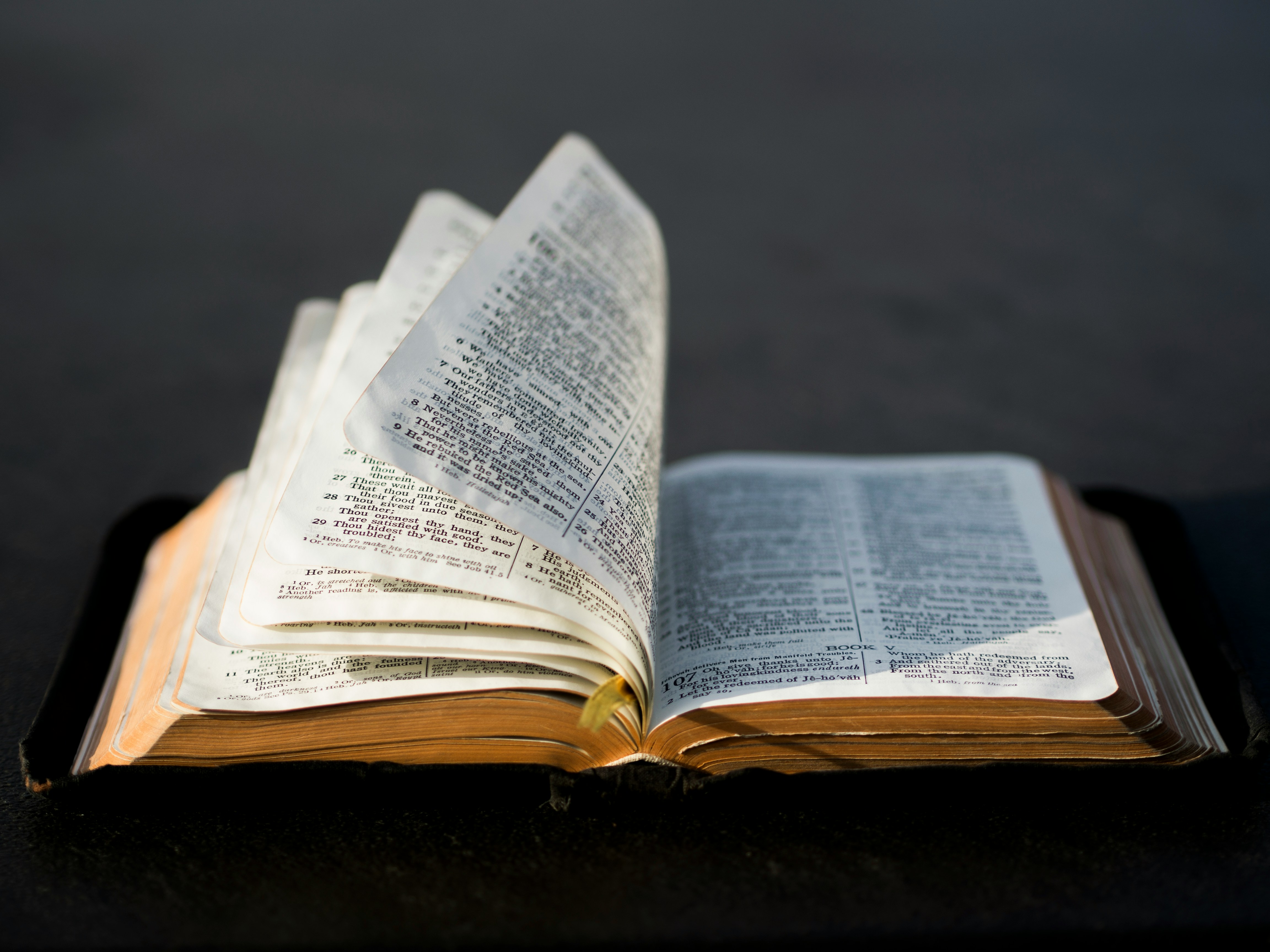 Day 271 – Nehemiah 8 – 10 (Joy at the reading of the Law, Feast of Booths celebrated, confession, and commitment)
Nehemiah 8. After the wall was finished, and the people were living in their towns, in the seventh month, the men, women, and children of the age to understand gathered in the square just inside the Water Gate on the east side of the city and south of the Temple.
They gathered together to hear Ezra read the “Book of the Law of Moses.” (1st five books of the Bible, the “Torah”). “Bless the LORD, the great God,” Ezra said, and all the people answered, “Amen, amen.” Then they lifted their hands, bowed their heads, and worshiped the LORD.
(I should do this before I read God’s word each morning, too!)
Standing on a raised wooden platform, with Levites on either side, Ezra read from early morning until midday. The Levites helped the people to understand the Law while they listened. The people were attentive, hearing like it was the first time, and they wept.
“This day is holy to the LORD your God,” said Nehemiah. “Go, eat the fat, drink sweet wine, and share with the needy. Do not be grieved, for the joy of the LORD is your strength.
Then, they gathered again the next day to study the words of the law. They heard about the Festival of Booths/Tabernacles and realized they hadn’t obeyed that command for quite a while. Ezra told them to gather branches and build booths, for they would celebrate the week unto the LORD. (It was to remember the days they’d lived in temporary shelters those 40 years in the wilderness.) And they kept the feast, after which there was a “solemn assembly.” (The Day of Atonement)
.
Nehemiah 9. The people assembled, fasting and in sackcloth. They confessed their sins and the iniquities of their fathers. They stood and heard the reading of the Law for a quarter of the day, and for another quarter, they confessed and worshiped the LORD their God.
Then, in verses 4 – 37, the Levites stood on the stairs and cried to the LORD their God. Then they commanded the people to “Stand up and bless the LORD your God from everlasting to everlasting.”
In worship and confession of sin, the Levites recited God’s mighty redemptive acts on Israel’s behalf, from creation through His promises to their forefathers, His faithfulness and care of them despite their sin and rebellion, and His offers of grace and mercy. “You gave Your good Spirit to instruct them, and did not withhold your Manna and gave them water.”
They praised God for bringing them into this good land and giving them prosperity but confessed that when they were filled with His great goodness, they became disobedient, rebelled, and committed great blasphemies. He had given them to their enemies (in Judges), but, when they cried to Him, He had sent them saviors and rest. However, soon, they were back into their old sinful ways.
God had warned them for many years by His prophets, but they would not listen. Finally, He sent them as captives to foreign lands. But even there, He had spared a remnant.
“Now, therefore, our God, the great, the mighty, and the awesome God, who keeps covenant and steadfast love, let not all the hardship seem little to You that has come upon us. You have dealt faithfully, and we have acted wickedly.
They confessed that despite being in the land God had promised to their fathers, they were slaves. SLAVES! The land’s rich yield all went to the kings God set over them….because of their sins. Those kings now rule over their bodies and livestock as they please.
“Because of all this, the Levites prayed, “We make a firm covenant in writing” to obey God and not repeat the sins of our fathers.”
.
Nehemiah 10. Like John Hancock boldly signing our own Declaration of Independence, Nehemiah, the governor, was the first to sign the seal of that “firm covenant.” Then came the names of the priests, Levites, and others. Surprisingly, Ezra’s name is not listed. All the rest of the people entered an oath (and a curse for breaking it) to walk in God’s law, to observe and do all the commandments, plus His rules and statutes. They also “obligated themselves” to bring yearly tithes and offerings to the house of God. “We will not neglect the house of our God.”
(Fresh starts, vows, and commitments are so wonderful. I wonder how long they – like we – can keep them.)
 Morning Meditations