Day 197 – Reading – Isaiah 13 – 17
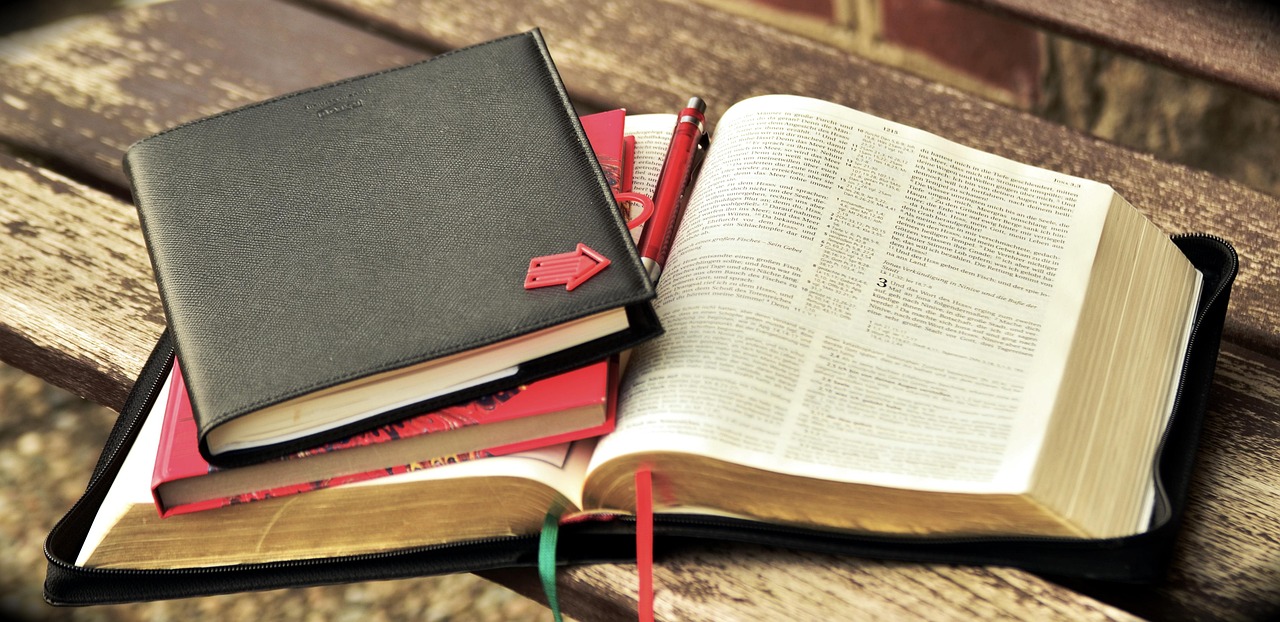
Read today’s Scriptures.
Isaiah 13.
Isaiah’s prophecies of judgment now turn to the surrounding nations, particularly those that God used to discipline His own people. Isaiah prophesies about Babylon, first as a great nation and then as having fallen to another. He told about this 100+ years before Babylon became a world power. Unbelievable as it was, they would overthrow the brutal and powerful Assyrian empire.
Judgment was coming to them, by the Medes in a couple of centuries, and then in the end-times, when all the godly will rejoice that “Babylon the Great” has fallen forever. Much of this passage is about when the Messiah comes.
“I will punish the world for its evil, and the wicked for their iniquity; I will put an end to the pomp of the arrogant, and lay low the pompous pride of the ruthless.“
In verses 15-17, Isaiah turns to the immediate future, when the Medes will commit all kinds of atrocities on Babylon, which they had done in the past. Infants killed, houses plundered, wives ravished, and the young men slaughtered without mercy.
“Babylon, the glory of kingdoms, the splendor and pomp of the Chaldeans, will be like Sodom and Gomorrah.”
.
Isaiah 14.
A brief light begins this chapter, prophesying the release and return of the Jews to their land.
“The LORD will have compassion on Jacob and will again choose Israel, and will set them in their own land….”
Then Isaiah switches from the upcoming physical Babylon to the future evil millennial nation, and the celebration of the Jews when Babylon the Great falls.
Then Isaiah turns toward Assyria in his prophecy. Yes, he drew them to Israel to judge His people, but now THEY will be judged by God.
“As I have planned, so it shall be, and as I have purposed, so shall it stand, that I will break the Assyrian in My land, and on My mountains trample him underfoot; and his yoke shall depart from them, and his burden from their shoulder.”
Next, in the year that the wicked King Ahaz of Judah dies, Isaiah prophesies against Philistia, another of Israel’s enemies.
“Rejoice not, O Philistia, all of you, that the rod that struck you is broken, for from the serpent’s root will come forth an adder, and its fruit will be a flying fiery serpent. Wail, O gate, cry out, O city; melt in fear, O Philistia, all of you!”
.
Isaiah 15 and 16.
Isaiah’s following “oracle of doom” concerns Moab.
Isaiah prophesies of Moab being laid waste in the night, being undone, weeping, wailing, wearing sackcloth, and melting in tears. They cry out, they tremble, they weep at the destruction that has come upon them.
Isaiah actually “cries out” in sympathy for Moab (verse 5) and his “inner parts moan like a lyre for Moab” (verse 11). Wow!
“The LORD has spoken, saying, ‘In three years, like the years of a hired worker, the glory of Moab will be brought into contempt, despite all his great multitude … those who remain will be very few and feeble.” (Assyria was not allowed to completely overrun Moab.)
.
Isaiah 17.
Isaiah’s “oracle” now turns to Damascus (the capital of Syria). Its destruction by Assyria is addressed in this chapter.
Syria, which had joined with Israel (“Ephraim“) to resist Assyria, would fall as they did. But a small remnant of Syria would remain. (The picture is of an olive tree harvested, with two or three fruit left on the top branches.)
God’s judgments are to awaken Ephraim to their failure to depend on the Lord.
“For you have forgotten the God of your salvation and have not remembered the Rock of your refuge; therefore, though you plant pleasant plants and sow the vine-branch of a stranger, though you make them grow on the day you plant them, and make them blossom in the morning that you sow … YET the harvest will flee away in a day of grief and incurable pain.”
Then Isaiah turns to the coming armies of Judah’s enemies and pronounces a “woe” on them.
.
God uses pagan armies to discipline his people, but THEY will then suffer and be defeated. Everything and everyone are like instruments in God’s hands. He will bless and he will “spank” His people. But for His OWN, all things work for their good and His glory!”
 Morning Meditations