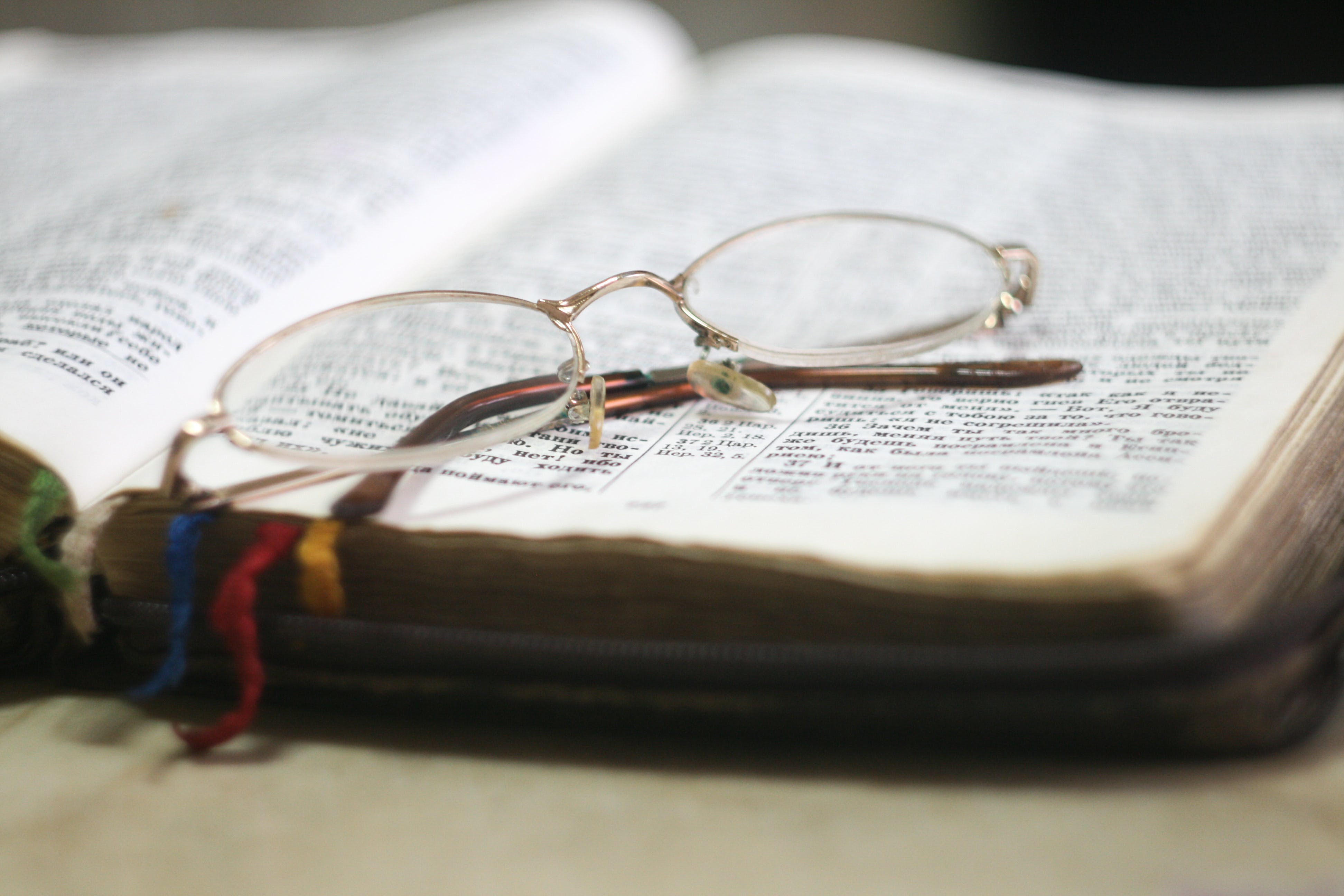
Journaling through the Bible Chronologically in 2025, Day 44

Read the scripture for today. What do you learn about God? Share what you learn with others.

Leviticus 1.

Heads up.

Leviticus begins with blood and gore, the priests, and that massive bronze altar. These chapters detail the first of the sacrifices for Israel as a nation. The place of worship is built, God’s presence abides there, and the priests have been consecrated. God now teaches them how a sinful people may live near and approach a very holy God.  

God defines WHAT can be offered (which animals, which non-animal items, but definitely NO CHILDREN!), HOW each is to be presented, and whether they are for penitence or gratitude.

THE BURNT OFFERING is the first of five offerings explained here. An unblemished male animal from a flock or herd or a pair of pigeons/doves are acceptable choices. The animal was to be burned completely, except for a bull’s hide (given to the priests for leather) and the crops of the birds (thrown into the ash pile). 

The person offering the animal would lay his hands on its head, confessing sin and repentance, before killing it. Priests would sprinkle the blood on the altar as proof of “a death for a life” or atonement. The carcass would then be burned entirely with “a pleasing aroma to the LORD.” (Not the aroma of meat cooking, but of a humble person’s heart seeking cleansing.)

Leviticus 2.

THE GRAIN OFFERING shows the gratitude of the person bringing it. But still, there are guidelines. It can be fine flour or unleavened (and unsweetened) bread, either baked, grilled, or fried, with oil in and on it. A portion of frankincense is also offered with it. The priest will take the incense and a portion of the flour or bread and burn it on the altar, “a pleasing aroma to the LORD.”  The rest of the offering is for food for the priests. 

If it is a “FIRSTFRUITS” grain offering at the beginning of harvest time, it can include honey, oil, fresh ears, and crushed new grain. But it must also be offered with frankincense. This also is food for the priests, except for a memorial portion with the incense to be burned.

Leviticus 3.

THE PEACE OFFERING  is a voluntary, free-will offering given to the LORD. It symbolized the peace and fellowship between a true worshipper and God. It was an offering of reconciliation. It could be either a male or female (unblemished) from the herd or flock. The person would also lay his hands on the head of the beast before killing it. Again, the priest would sprinkle its blood on the altar.

All the animal’s fat would be burned on the altar, including what was on the entrails, kidneys, and the liver. The priests would receive the “breast meat” as their portion, and the rest would be part of a fellowship meal between two or more parties, with a priest officiating, to be eaten on one day.

Verses 16b-17.ALL FAT IS THE LORD’S.  It shall be a statute forever throughout your generations, in all your dwelling places, that you eat neither fat nor blood.”  (An excellent rule for today!!)

Leviticus 4.

THE SIN OFFERING has several applications;

  • one is for Priests,
  • another for the Whole Congregation,
  • another for a Leader of the Congregation,
  • and another is for any of the Common People of the Congregation.  

In these instances, it is for SIN THAT IS NOT INTENTIONAL, but for something done and then later realized or brought to attention.

1.  A bull is the required offering for a priest or the whole congregation.

The priest (or elders for the congregation) places his hand on its head (symbolizing transferring sin to the animal) and then kills it. Some of the blood is to be brought inside the Tabernacle and sprinkled in front of the veil concealing the Most Holy Place and on the four corners of the Altar of Incense. The rest of the blood will be poured out at the base of the Bronze Alter. 

The fat on the entrails, the kidneys, and the liver of the bull are to be burned on the Bronze Alter.  Everything else of the bull is to be carried outside the camp to clean place, to an ash heap, and burned on a wood fire. 

2.  A male goat is required for a congregation leader offered after the symbolic transfer of sins.

The priest takes some blood and puts a bit on the four corners of the Bronze Alter; the rest is poured out at the base. As with the bull, the fat portions are burned, and the carcass is taken outside the camp.

3.  A female goat or lamb is required for any common people in the congregation. The process is the same as for a leader. 

In all these, “the priest shall make atonement for him for the sin he has committed (unintentionally), and he (they) shall be forgiven.”

.

THANK YOU, Lord, for sending your Son, Jesus, the spotless “Lamb of God,” who paid the price for me by dying on the cross … as the “substitute” for my sin.  By HIS sacrificial death, I am forgiven.

Journaling through the Bible Chronologically in 2025, Day 43

Read the scripture for today. What do you learn about God? Share what you learn with others.

Exodus 39.

While craftsmen worked on making the Tabernacle, its furniture, and the outer courtyard, those skilled in sewing, embroidery, lace making (vs. 21), and working with jewels and gems made the holy garments for use in the Holy Place, as the LORD commanded Moses.

The most detailed and intricate garments and accruements were for Aaron (and any high priest who followed him).  They must have been heavy with gold chains, settings, and rings and fourteen engraved precious stones. They must also have been very stunning. They were indeed “holy” (set apart) from anything the people had seen.

Finally, everything was completed, and they brought it ALL to Moses “for inspection.”  “And Moses saw all the work, and behold, they had done it; as the LORD had commanded, so had they done it. Then Moses blessed them.”

Exodus 40.

On the first day of the first month (Aviv), one year after leaving Egypt, Moses oversaw the assembling of the Tabernacle in the center of the camp. 

  • First, the Tabernacle tent was erected, from the bases to the animal skin covering on the top.
  • Next, he put the stone tablets with the Ten Commandments inside the Ark of the Covenant (Testimony) and placed the Mercy Seat on top, and the carrying poles through the rings. He placed this in the Holy of Holies inside the tent.
  • The “screen” or veil was hung to seclude the Most Holy Place.
  • In the Holy Place, Moses up the Table with the bread on the north side, the Golden Lampstand with oil on the South side, and the Alter with its holy Incense on the west side next to the veil. He burned incense to the Lord and set up the screen for the door of the Tabernacle 
  • Outside, Moses set up the massive bronze Altar of Burnt Offering with its utensils. 
  • Between that and the tent, Moses set up the bronze Basin (or Laver).  
  • Lastly, Moses set up the courtyard all around and the gate at the entrance to the court.
  • Then Moses took the special anointing oil and consecrated the tent and its furniture that it might be holy to the LORD.  He also anointed and consecrated the Alter of Burnt Offering and Basin as holy to the LORD. 
  • Next Moses brought Aaron and his sons to the entrance of the Tabernacle and wash them from the Basin, then clothe them with the holy garments.  He also  anointed and consecrated them.  “Their anointing shall admit them to a perpetual priesthood throughout their generations,” proclaimed the LORD.

And so the Tabernacle was erected. Moses finished the work.

THEN, the cloud covered the Tabernacle and the GLORY OF THE LORD filled it. 

Moses was not able to enter it because the cloud settled upon it and filled it.  Throughout all the journeys of the people of Israel, whenever the cloud rose up, they moved forward. Whenever it rested on the Tent, they camped and stayed.

The Cloud of God’s presence was on the Tabernacle by day and the Fire of God’s presence was on it by night, in the sight of all the house of Israel throughout their journeys. 

.

End of Exodus.


Journaling through the Bible Chronologically in 2025, Day 42

Day 42.  Reading Exodus 36 – 38. 

Read the scripture for today. What do you learn about God? Share what you learn with others.

Exodus 36.

The people of Israel freely brought their contributions: gold, silver, bronze, jewels, cloth, yarn, animal skins, spices, oils, and acacia wood. They brought more and more, twice daily, to Moses, who gave it all to Bezalel and Oholiab, who distributed it to the craftsmen. 

Finally, there was enough, even MORE than enough, and still, the people offered their gifts. Moses had to issue a command, “Let no man or woman do anything more for the contribution for the sanctuary.

Bezalel, Oholiab, and all the men (and women) got to work.  Oh, how wonderful to have a project! Something to look forward to – a beautiful sanctuary where their God would live among them. 

The Tabernacle tent was constructed first, using embroidered cloths and tanned skins for beauty and waterproofing. It was hung securely with loops and clasps on pillars, posts, and bars and set on bases. 

Exodus 37.

Next, the furniture for the inside of the Tabernacle tent was made. All the pieces were constructed of pure gold or wood overlaid with gold.  The Ark of the Covenant, with its Mercy Seat and Cherubim (representing the “throne of God” on earth), and its carrying poles, was to be placed in the inner room by itself. 

For the larger room of the Tabernacle, they made the Table for Bread, the Golden Lampstand, and the Altar of Incense with their utensils, supplies, and carrying poles. 

Exodus 38.

Outside the Tabernacle tent were two “furniture” items made of bronze or wood covered with bronze.  Just inside the courtyard gate was the massive bronze Alter of Burnt Offering (almost nine feet square and nearly five feet tall), with its grates, utensils, and carrying poles. 

Between the Alter and the Tabernacle tent was the Bronze Basin, or Laver, atop a bronze stand.  The basin itself was made from “the mirrors of the ministering women who served the entrance.”  (I’m not sure who these women were [cleaning ladies?], but they are mentioned in 1 Samuel 2:22).

Next, the wood and metal workers, with those who made and embroidered linen, constructed the outer courtyard hangings on the pillars, bars, and bases. They even designed the cords and pegs that secured the posts, even in the wind.

Moses also commanded that the Levites, under the direction of Aaron’s son, Ithamar, record the materials and construction (for future generations and for repairs?).  The total weights of the gold, silver, and bronze were massive and awesome. 

.

If God took such care in the details of His earthly “dwelling place,” can you imagine what “the original” looks like in Heaven??  How wonderful and glorious is our God!


Journaling through the Bible Chronologically in 2025, Days 40 & 41

Days 40 & 41.  Reading Exodus 30 – 32 and Exodus 33 – 35. 

Read the scripture for today. What do you learn about God? Share what you learn with others.

Exodus 30.

Today, we learn about the two other pieces of Tabernacle furniture, one inside the tent and the other outside. We will also learn about the very special single-usage anointing oil and incense.

Inside the Holy Place of the Tabernacle, along with the Table for Bread and the Golden Lampstand, the small Altar of Incense would be placed just in front of the veil separating the two rooms.  This is where Aaron (the high priest) will burn holy, sweet-smelling incense before the LORD every morning and evening when he dresses the lamps.

The Holy Incense (not to be used elsewhere) was made of equal parts sweet spices, stacte, onycha, galbanum, and pure frankincense, with a sprinkle of pure, holy salt. These are to be ground and combined carefully, as by a perfumer. They were not to make any of this recipe for personal use or be cut off from Israel.

Just outside the door of the Tabernacle the Bronze Basin (or Laver) would be placed. This is where the priests would wash their hands and feet before entering the Tabernacle and before they burned food offerings to the LORD.

All the furniture inside and outside the Tabernacle would have rings attached at the lower corners and poles going through the rings. The Levites would carry the holy items, by the poles, never touching the furniture itself. 

The sacred Anointing Oil was to be made of the finest spices: liquid myrrh,  sweet-smelling cinnamon, aromatic cane, cassia, and olive oil. These were be mixed by a perfumer in the correct portions. This anointing oil would consecrate the Tabernacle, all its furniture and utensils, and Aaron and his sons (and any future priests).  It was never to be poured on the body of any other person. No one was to make a similar composition. or else be cut off from Israel.

Taxes. (Of course!)

Besides the contributions for making all the items involved with the Tabernacle, the people were to give a half shekel each for its upkeep annually. This was a “census tax,” meaning everyone twenty years old and above would give this offering, rich or poor, the same.  (Called the Temple Tax later)

Exodus 31.

The LORD called two men (Bezalel of Judah and Oholiab of Dan) to oversee the building of the Tabernacle and all its parts. God filled them with the Spirit of God, with the ability, intelligence, knowledge, and craftsmanship.

  • to devise artistic designs
  • to work in gold, silver, and bronze
  • in cutting stones for setting
  • in carving wood,
  • to work in every craft. 

God also gave “all able men” the ability to make everything (the Tent, furniture, garments, oil, and incense.

And lest they get carried away with all this construction and craft, Moses was to remind the people that “Above all, you shall keep my Sabbaths, for this is a sign between Me and you throughout your generations, that you may know that I, the LORD sanctify you. Keep the Sabbath because it is holy for you. Anyone who profanes it shall be put to death. Six days your work will be done, and the seventh is a day of solemn rest, holy to the LORD.”

Then God gave Moses the two stone tablets with the Ten Commandments engraved by “the finger of God.”

Exodus 32.

But, while glorious things were happening in the presence of the LORD on Mt. Sinai, below, the people sank into darkest sin.

For forty days, Moses was gone.  Had he died on that fire-engulfed mountaintop? Was he ever coming back?  No, he was NEVER coming back!  What are we to do? We HAVE TO go back to Egypt!  We need gods to lead us back through this desert! Aaron!  Make us gods to lead us!!!!

So Aaron (Israel’s future holy High Priest) collected gold earrings from the people and crafted a golden calf (a prime god of Egypt) for them to worship. 

They did just that, with singing, dancing, sacrifices, and an orgy.

The LORD to Moses:  “Go down, for your people, whom you brought up out of the land of Egypt, have corrupted themselves. They have quickly turned aside from the Way I commanded them. They have made a golden calf to worship and sacrifice to, saying, “THESE are our gods.”  My wrath burns hot against them. I may consume them to make a great nation of YOU, Moses.”

Moses to the LORD:  “O LORD, why does your wrath burn hot against Your people, whom You have brought out of the land of Egypt with great power and with a mighty hand?  The Egyptians will say You brought them out to kill them. Turn from your burning anger and relent from this disaster against Your people. REMEMBER Abraham, Isaac, and Israel, Your servants to whom You swore by Your own self to multiply their offspring, and give them the promised land to inherit it forever!”

(The LORD heard Moses’ intercession for His glory and relented from His plans to annihilate the people.)

But Moses’s anger burned for the LORD’s sake.

He met Joshua, who had been waiting halfway down the mountain. Joshua heard the noise of the people as they shouted.  “There is a noise of WAR in the camp!”

It is not the sound of shouting for victory, or the sound of the cry of defeat, but the sound of singing that I hear.” growled Moses.

As they neared the camp, they SAW the golden calf. 

Moses’ anger burned HOT. He threw down the stone tablets (with God’s laws) and broke them at the foot of the mountain. He took that golden image and burned it with fire. He ground it to powder and scattered it on the water. Then he made the people drink it.

To Aaron, his brother, the future High Priest, Moses growled. “What did this people do to you that you have brought such a great SIN upon them?”

Aaron answered with… a lie. “Don’t be angry. You know the people, that they are set on evil. They told me to make them gods to lead them back to Egypt because they didn’t know what happened to you. So they gave me their earrings, and I threw them into the fire … and out came this calf.”

Meanwhile, the people were “breaking loose” in craven, pagan frenzy. 

Moses stood at the gate of the camp and called, “WHO IS ON THE LORD’S SIDE. COME TO ME.”  And all the Levites gathered around him. Moses sent them on a horrific mission of holy wrath. They were to go throughout the camp and kill all who had been crazy worshiping the calf.   They did.  They killed 3,000 men.

And in showing such loyalty to Moses and to God, Moses proclaimed, “Today you have been ORDAINED FOR THE SERVICE OF THE LORD for what you have done.” 

And so the Levites were in charge of the Tabernacle and everything involving the worship of the LORD God of Israel.

.

Day 41, Exodus 33.

Moses, with a love for the Jewish people like Paul’s (Romans 9:1-5), intercedes for Israel because of their idolatry. “Alas, this people has sinned a great sin. They have made for themselves gods of gold. But now, if you will forgive their sin–but if not, please blot me out of your book that you have written.”  

And after a plague swept through the camp, God announced that He would not go up to the promised land with Israellest I consume you on the way, for you are a stiff-necked people. So now take off your ornaments so know what to do with you.” 

And the people stripped themselves of their ornaments from that day on. 

Moses pleaded with God to accompany them with His Presence and not simply send an angel to guide them. “If your Presence will not go with me, do not bring us up from here. For how shall it be known that I have found favor in your sight, I and your people?  Is it not in Your going in with us, so that we are distinct, I and your people, from every other people on earth?”

And God listened to Moses’ plea.

Then … throwing caution to the wind, Moses asked to SEE GOD’S GLORY.   Whoa!

I can see God smiling at His chosen leader but shaking His head. “I will show you my GOODNESS and proclaim my Name before you. But you cannot see my face, for man shall not see me and live.”  Then God told him how He would do that. But first, Moses was to cut new stone tablets (which he broke) for God to write the Ten Commandments on, and come up into Mt. Sinai.

Exodus 34.

After Moses made them and ascended the mountain, the LORD descended in a cloud.  He put Moses in a rock cleft, covered him with His hand, and passed by so that Moses could only see the “backside” of God’s glory. And Moses heard the “goodness” of the LORD. 

The LORD, the LORD, a God merciful and gracious, slow to anger, and abounding in steadfast love and faithfulness, keeping steadfast love for thousands (of generations), forgiving iniquity and transgression and sin, but who will by NO MEANS clear the guilty, visiting the iniquity of the fathers on their children and grandchildren to three or four generations.”

And Moses fell to his face and worshiped God.

Then, God renewed His covenant with Israel. He said He WILL go with them to the Promised Land and drive out the pagans there. But THEY are to tear down the altars, idols, and pillars and break them into pieces. “You shall worship no other god, for the LORD whose name is “Jealous,” is a jealous God. And you shall NOT make for yourself ANY GODS OF CAST METAL.”

God reminded Moses of the feast days to be kept, the importance of the Sabbath, how to offer sacrifices and other offerings. Then God wrote the Ten Commandments again on the new stone tablets.

Exodus 35.

Moses returned to a more subdued people and repeated what the LORD commanded them.

THEN, Moses told them about the glorious Tabernacle they were to construct for the LORD so His presence would dwell “among” them in their camp.  He asked them for the contribution items and the gifted craftsmen to come forward.

All the people departed …

And then they returned. Everyone whose heart had been stirred and whose spirit had been moved came. They brought jewelry, cloth and yarns, animal skins, silver and bronze items, and acacia wood.   Every skillful woman spun with their hands the goat’s hair and wool. Men brought precious stones to be set, spices, oil, and fragrant incense.  Everyone donated items and time as “a free-will offering to the LORD.”

Bezalel, the architect and general construction manager, presented himself, got the plans, and began teaching others the skills of the trades and design. Oholiab also came and taught the skills of engraving and embroidery.  Both men had been called by God for the work, filled with the Spirit of God, and given skill, intelligence, and knowledge in all areas of craftmanship. 

(Perhaps this amazing, exacting project would keep the people’s hearts and minds away from idolatry and grumbling.)  It would take them almost one year.

Journaling through the Bible Chronologically in 2025, Day 39

Day 39.  Reading Exodus 28 – 29. 

Read the scripture for today. What do you learn about God? Share what you learn with others.

Exodus 28.

Glorious holy garments show honor to the glorious holy God.

In this chapter, God shows Moses the patterns for the priests’ and high priests’ garments, which are extravagant to the max.  They were to be glorious, with meticulous details, and heavy (I think) with gold and precious stones.  They were not worn all the time but only when they ministered before the LORD God. 

Just imagine Moses writing down (or reviewing god’s writing?) the details for these items of clothing.  The colors of the robes and the embroidery, the gold ropes, chains, and bells, all those engraved precious stones, and everything reflecting “the glory and beauty” of their God.  

From the plain, knee-length linen undershorts to the royal blue robe with blue, purple, and scarlet pomegranates interspaced with golden bells along its hem to the gold plate with “Holy to the LORD” engraved on it, fastened to the front of his linen turban with blue cord. 

Just imagine!

There was also a checkered linen coat with an embroidered sash. (And undershorts, coats, sashes, and caps for Aaron’s sons.)

Then, the amazing accruements are described.  An apron-like ephod would be worn over the robe. It was made of embroidered linen, and attached to it by two straps over the shoulders was the breastplate. On the shoulder pieces were large onyx stones engraved with the names of the tribes of Israel in birth order, six on the right shoulder and six on the left. 

On the breastplate itself were twelve specific precious stones, in four rows of three, each one with the name of a tribe of Israel engraved.  Wearing this, the high priest represented all of Israel as he ministered to the LORD. All of the stones would have gold-filigree settings.

IN, or INSIDE this breastplate, the Urim and Thummin were kept.  Say what??  

  • Their material and shape is not known. They were used by the High Priest to determine a “yes” or “no” verdict to the acknowledged leader of Israel who could NOT come before God personally as Moses had. They would be used for a specific direction for an immediate problem or crisis.”

God assured Moses that He had chosen specific people to make all these items and filled them with the spirit of skill.

Exodus 29.

Next, God told Moses how to consecrate Aaron and his sons (and the process for future priests).

A sacrifice of animals, unleavened bread, cakes, and wafers was prepared.  Aaron was to be brought to the entrance to the Tabernacle and washed with water (the bronze basin or laver). Then, the garments were to be put on him in order. Moses would take the specially made anointing oil and pour some over Aaron’s head and turban. His sons would be washed and dressed as well. 

The bull, one ram, and the unleavened bread products would be offered as a sin and food offerings. Finally, the second ram would be killed after Aaron and his sons had laid their hands on its head. With some of the blood, the altar would be sprinkled, and with some, Aaron’s and his sons’ right ear, thumb, and big toe would also be anointed. 

(Some of this ram’s meat would be reserved, boiled, and eaten by the priests, which is symbolic of how their physical needs would be met by the offerings from the people.)

This ritual would be repeated for seven days, and then the priests would be ordained.  Any priests following Aaron and his sons would participate in the same ceremony.

Weird, I know.

But all the rituals and sacrifices were symbolic of the only way sinful people (even the priests) were to approach their Holy God without dying themselves.


Journaling through the Bible Chronologically in 2025, Day 38

Day 38.  Reading Exodus 25 – 27. 

Read the scripture for today. What do you learn about God? Share what you learn with others.

Exodus 25.

Besides the stone tablets with the Ten Commandments, God gave Moses a set of “blueprints.”

Moses was to ask the people of Israel to contribute to building a “sanctuary for God, that He might live with them.” Wow!  It wasn’t an arbitrary “bill.” They were to give as their hearts moved them. God listed the materials needed: gold, silver, bronze, blue, purple, and scarlet yarn, fine linen, goat’s hair, tanned rams’ skins and goatskins, acacia wood, oil, spices, onyx, and other precious stones. 

WHERE WERE THE EX-SLAVES TO GET THESE EXOTIC ITEMS IN THE DESERT???   (God never asks us for what we cannot give.)

Remember Exodus 12:35-36.

  • The people of Israel had also done as Moses told them, for they had asked the Egyptians for silver and gold jewelry and clothing. And the LORD had given the people favor in the sight of the Egyptians so that they let them have what they asked. Thus, they plundered Egypt.

God showed Moses exactly how to build the Tabernacle and all its furniture.  Inside the inner part of the tent (the Holy of Holies) was the Ark of the Covenant (or Testimony). “There I will meet with you, and from above the mercy seat, I will speak with you about all that I will give you in commandment for the people of Israel.”

In the next room out (the Holy Place), Moses was to make three items, each representing how God would interact with His people: the Table for Bread, the Golden Lampstand, (and later described, the Alter of Incense.) And all these had utensils to be used with them.

Exodus 26.

Next comes a detailed description of the construction of the very movable two-room Tent containing that sacred furniture. It was made of wood-plated poles with rings to hold up the embroidered cloth panels made with loops and clasps. Layers of tanned skins of different types would make it completely waterproof.  All this could be assembled and unassembled as Israel journeyed through the desert.

Exodus 27.

Outside the Tent and just inside the gate to the courtyard surrounding it was the Bronze Altar for sacrifices. (Later described, between this altar and the Tent was the “Laver” to wash the hands of ministering priests before entering the Tent).

All the courtyard posts, bases, and bars were bronze or silver (150 ft long x 75 ft wide x 7.5 ft tall). The sturdy cloth hangings were made of fine twined linen. The linen at the gate was embroidered with blue, scarlet, and purple yarn. 

God gave Moses a recipe for the oil to be used in the Golden Lampstand (and later, a unique recipe for the incense to be used only on the Alter of Incense and the Priest’s sensors). 

It was almost unimaginable in beauty and glory. How would they ever make such a wonderful place? 

.

Tomorrow, the priests’ garments and the consecration of priests with the many offerings.


Journaling through the Bible Chronologically in 2025, Day 37

Day 37. Reading  Exodus 22 – 24. 

Read the scripture for today. What do you learn about God? Share what you learn with others.

Exodus 22.

Liability and Social Justice – sounds like today’s courtrooms, except God’s laws are righteous.

  • Restitution for theft of an animal (a person’s livelihood) is four or five times the worth.
  • You’re cool if a thief breaks into your home at night, and you kill him. But … better just capture him during the daytime. 
  • If a fire breaks out, catches dry grass, and consumes stacked or standing grain or a field … HE WHO STARTED THE FIRE SHALL MAKE FULL RESTITUTION!  
  • Full restitution is required if you borrow anything from a neighbor and it’s broken, lost, (or dies).
  • Rape of a virgin means paying a bride price and marrying her.
  • No witch shall live.
  • Do not mistreat or take advantage of a foreigner, widow, or orphan. SERIOUS penalties follow!
  • Never take interest when loaning money to a friend or fellow believer.
  • Never curse God … OR a ruler of your people. (Oops!)
  • The first of EVERYTHING belongs to the LORD.

Exodus 23.

Laws of righteous justice.

  • Don’t spread false reports or be a malicious witness.
  • Don’t join groups to do evil (rioting?)
  • Don’t pervert justice against the poor.
  • Don’t take bribes.
  • Don’t oppress foreigners.
  • Observe the Sabbath year so your fields and workers may have rest, and so the poor can collect the crops of grain, grapes, or fruit that are produced naturally.
  • Keep these three feasts of remembrance and gratitude to the Lord every year:
  • 1) Passover/Unleavened Bread, 2) Feast of Firstfruits (Weeks, Pentecost), and 3) Feast of Ingathering (Tabernacles/Booths).

And lest the people feel overwhelmed with all these regulations, God reminds them of the Promised Land. 

“If you carefully obey, then I will be an enemy to your enemies.”  “I will blot them out. You shall not bow down to their gods or serve them … but overthrow and break their pillars into pieces. YOU SHALL SERVE THE LORD YOUR GOD, AND HE WILL BLESS YOUR BREAD AND YOUR WATER  … and take sickness away from you. None shall miscarry or be barren. You will live to your full age.”

Exodus 24.

Moses wrote all this down. He built an altar and made sacrifices to the Lord. He read these laws to the people, and they said, “All that the LORD has spoken we will do, and we will be obedient.” Then Moses sprinkled blood on the altar and the people to confirm what they said.

And God called Moses, Aaron, two of his sons, and seventy elders up onto the mountain (part way, only Moses went near God). 

And they “saw the God of Israel.”  WHAT???

WHAT DID THEY SEE, for God has said, even to Moses, that no one shall see Him and live?  Verse 10 mentions the clear-as-glass sapphire stone under His feet. That is all that was revealed, or … perhaps in the terror of awe, they dared not raise their eyes higher than the pavement where God’s feet rested.

They all ate and drank there. Then God called Moses and his assistant, Joshua, up into the mountain of God to give Moses the Tables of Stone (10 Commandments).  Moses told the elders and gave them Aaron and Hur to help with the people if there were disputes while he was gone.

Moses went up, and the cloud of God’s glory covered the Mountain for six days before God spoke. It appeared like a devouring fire to the people of Israel who waited below. Moses entered the cloud and was on the mountain for forty days and nights.

.

(And what a glorious vision Moses had of a place of worship and God’s presence with His people!!)


Journaling through the Bible Chronologically in 2025, Day 36

Day 36. Reading Exodus 19 – 21. 

Read the scripture for today. What do you learn about God? Share what you learn with others.

Exodus 19.

After the exodus from Egypt and the Red Sea Crossing, Israel moved in stages across the desert for about three months, learning lessons about their God’s care for them and coming together as a “nation.” Finally, they arrived at Sinai and camped in front of the mountain.

(This was a fulfillment of God’s promise to Moses from the burning bush in Exodus 3:12. “I will be with you, and this shall be a sign for you, that I have sent you: when you have brought the people out of Egypt, you shall serve God on this mountain.”)

It’s good that Moses (at 80) is in good shape, for now begins a series of climbs up and down Mt Sinai to meet with the LORD. 

First thing: a contract between God and the people must be ratified. “IF you will indeed obey my voice and keep my covenant, you shall be my treasured possession among all the peoples, for all the earth is mine, and you shall be a kingdom of priests and a holy nation.”

All that the LORD has spoken, we will do,” they answered. Okay, cool.

Then, God told Moses to instruct the people on a few things. 

  • They were to clean and consecrate themselves.
  • They were to stay away from the mountain and not even touch its edge. (or die). 
  • When a ram’s horn sounded long and loud, they were to come to the mountain’s edge and wait.

Moses and the people obeyed. On the third day, smoke wrapped Mt. Sinai when the LORD descended on it in FIRE. The earth quaked, and a great smoke plum rose up like from a kiln. God’s voice thundered to Moses.  “Tell the people to keep back again!  NO LOOKEY-LOOS!  Then, get Aaron and come up to me on the mountain.

Exodus 20.

On the mountain of Sinai, God gave His TEN COMMANDMENTS. (As a “preamble” to the “constitution” of Israel.)

  • NO other gods come BEFORE ME.
  • NO carving images of anything, and NO bowing down or serving anything but the LORD.
  • NO profaning the Name of the LORD your God.
  • REMEMBER what I said about the SABBATH Day. Rest, NOT work.
  • HONOR your parents.
  • NO murder.
  • NO adultery.
  • NO stealing.
  • NO lying about anyone in court.
  • NO coveting anything that anyone else has.

The people heard the rumbling thunder of God’s voice, felt the earth’s violent shaking, and saw the billowing fire and smoke.  They stood far off and pleaded with Moses to intercede for them. 

Don’t be afraid, for God has come to test you, that the fear of Him may be before you, and that you do not sin.”

Exodus 21.

God then gave Moses some other laws to honor Him in worship and for righteous/fair treatment of others.

  • How to build and use altars for worship that will please God.
  • How to treat slaves and when to release them (REMEMBER, YOU were slaves!)
  • How to deal with those who hurt others by striking or cursing them.
  • What to do if violence causes a woman to miscarry or abort a baby.
  • Reinstating the Noahic law of “equal retribution for equal offense.” (eye for an eye, but no more)
  • Restitution if one of your animals hurts someone or what you do causes harm to another.

.

(More tomorrow on liability, social justice, holidays (holy days), and that “carrot” in front of them: the conquest of the Promised Land.)


Journaling through the Bible Chronologically in 2025, Day 35

Day 35. Reading in Exodus 16 – 18. 

Read the scripture for today. What do you learn about God? Share what you learn with others.

Exodus 16.

.Wow!  Walking through a Sea, seeing their enemies destroyed, experiencing joy, celebration, and worship, a miracle of sweet water from bitter water, receiving a glorious promise of health from God, and an oasis in the desert.   What more could Israel desire?

Food.

Grumble, grumble, grumble, (eight times it’s mentioned that the people grumbled against their situation, Moses, and even the LORD.) What a grumpy lot!! I guess hunger will do that to you. (Think of diets and fasts.)

Anyway, Moses goes to God, and God answers his prayer and their grumbling.  He promises to send them meat for dinner and bread in the morning for the whole day. And He does.  Quail came and covered the camp at sundown. The people caught them, stewed or roasted them, and ate the meat until they were … satisfied? (It doesn’t say.) The next morning, their 40-year daily food supply began to arrive.  “What IS it??? (The meaning of the word “manna.”) 

Quite a novelty – light, sweet, nutritious, and absolutely free. They did not LABOR for it.  They only had to gather it and prepare it into cakes, bread, porridge, or…?? Their choice.  Yummy and two quarts per person was all they needed to fill every tummy.  They loved it. They called it “bread/grain from heaven” and the “bread of angels.” (Psalm 78:25, 105:40

The Jews in Jesus’ time remembered it fondly. Jesus said it “pictured” HIM, the true bread of life. (John 6:31-35)

But it wouldn’t be long before these grumblers said they were “tired of THIS manna” and longed for the onions and leeks of Egypt.

  • Oh, LORD, what do I grumble about? (Lots of things!!) Please help me to have a grateful and contented heart!  You are so kind to supply my “daily bread.”

The people had to follow some instructions about Manna, such as eating it all the same day as gathered, except on the 6th day. That day they were to gather double because there wouldn’t be any on the 7th day. But it wouldn’t get stinky and wormy as on other days if “hoarded.”  They had to learn from experience, as WE do. 

This “day of resting” was established for Israel even before God gave Moses the Ten Commandments. By His example, God had shown them in creation how to rest after six days of work.  Rest and worship/fellowship with Him.

This daily bread supply fed Israel for 40+ years until they crossed into the Promised Land and could begin eating the foods of the land.  How faithful our God is! (A memorial jar of Manna was later kept in the Ark of the Covenant in the Tabernacle/Temple.)

Exodus 17.

With food established, the congregation of Israel moved on in stages as the Pillar led them to the wilderness of Sin (Shin) and camped at Rephidim.  There, they QUARRELED and grumbled again. Their water skins filled at the oasis were once again empty. “Moses! Give us water! Why did you bring us up out of Egypt to kill us and our children and livestock with thirst!?”

God told Moses what to do. It took faith to do this. He once again was to take “the rod of God” (that he used to bring plagues on Egypt at God’s command) along with some elders of Israel to witness it and go to the rock at Horeb. “Strike the rock that I will show you and water will come out of it, and the people will drink.” Whoa!

Moses did that and God supplied enough continuous water to quench the thirst of the people and animals while they were camped there.  Moses called that place “Massa” and “Meribah, because the people quarreled and tested the Lord.

THEN!!! (Another test.) The hoard of Amalek came and attacked Israel at Rephidim. Yikes!! (The Amalekites descended from Esau and were nomadic.)  

Moses told Joshua to choose men and go out and fight them.  The plan was that Moses (with Aaron and Hur) would stand up on the hill overlooking the battleground and wage spiritual war. Whenever Moses held up his arms (with his staff), the fighting men of Israel would prevail.  When his arms were tired and drooped, Amalek would prevail.  (Eventually, Aaron and Hur had Moses sit on a rock, and they held up his arms. And so war was waged physically and spiritually till the sun went down.  

And Joshua (with God’s help) overwhelmed Amalek with the sword.

Then, God had Moses tell Joshua (and put into writing) His vow. I will utterly blot out the memory of Amalek from under heaven.”  Moses built an altar there, claiming, “The Lord is My Banner,” confirming God’s total war on Amalek.

(It would take Joshua, King Saul/Samuel, and finally, Queen Ester & Mordecai to kill the very last of them. But God’s word stood until it was accomplished. Amen.)

Exodus 18.

Whoa!  Guess who came for a visit?  Jethro (Moses’ father-in-law, the priest of Midian), came and brought to Moses, his wife Zipporah, and his two sons, Gershom and Eliezer. (Rephidim wasn’t too far from where Moses had lived in Midian.)

Moses went out to meet them and honored his father-in-law by bowing. They hugged and kissed and caught up with everything that God had done for Moses and Israel since he left. Jethro rejoiced with Moses and gave praise to God. “Blessed be the LORD, who has delivered you out of the hand of the Egyptians and out of the hand of Pharaoh, and has delivered the people from under the hand of the Egyptians. Now I KNOW that the LORD is greater than all gods!”

Then, the older, wise Jethro watched as Moses dealt with the problems of the people in the camp.  Both petty and serious problems took all of Moses’ time as he interceded before God and made judgments.

“What are you doing, son?” asked Jethro. “This is not good. You are going to wear yourself out!” And he gave Moses some advice. “YOU bring the weighty things before God concerning his statutes and laws.  But, choose able men to judge over the petty grievances.”

Moses took his advice. He chose men as local judges. He was then free to judge the hard cases they brought to him.  Wow, what an opportune visit.  Moses had his family now and a way to relieve the tremendous load of the people that he carried.  God was so gracious to provide Jethro at that perfect time.

  • Thank you, Father, for caring for me, seeing my wrong choices, and sending others to lovingly correct me.


Journaling through the Bible Chronologically in 2025, Days 33 & 34 (Part 2)

Day 34. Reading in Exodus 13 – 15. 

Read the scripture for today. What do you learn about God? Share what you learn with others.

Exodus 13.

Israel is out of Egypt! 

While it is fresh in their minds, the LORD instructs Moses to “consecrate to Me all the firstborn of Israel, man and beast. They are mine.”  Because God had spared these on the night of the tenth plague, they were HIS.  (Did they wonder what this commandment would involve? What would God do with them?)

And when they came into the promised land, they were to continue this practice. Every firstborn male (man and creature) was to be set apart for the LORD. (Donkeys were to be exchanged for lambs.)  God would not “kill” these firstborn boy children (whew). No, the people were to “redeem them” (buy them back) for a later established amount. (See Mary/Joseph doing this for infant Jesus in Luke 2:22-23)  Every time the people consecrated and redeemed their babies, they would remember HOW the LORD brought them out of Egypt. 

Another annual observance was instituted to remind them of that night and that journey. Not only were they to celebrate a Passover feast, they were also to eat only unleavened bread, like what they ate on that night of escape, for seven days. All to remember their deliverance! (Also, to point a later generation to the sinless Lamb of God, sacrificed for their salvation.)

Interestingly, God did not lead His newly freed people directly to the promised land. This would have caused them to travel through the land of the Philistines. They were not ready for war. They might have been scared out of their minds and wanted to return to Egypt.  Instead, the LORD led them into the wilderness and towards the Red Sea. He had a lot of things to teach these ex-slaves first. 

The LORD went before them as the ultimate leader and guide. He appeared as a pillar of cloud by day and a pillar of fire by night. He was their shade from the heat and a light and warmth in the cool desert darkness. Ever-present beacons of an Almighty and loving, promise-keeping God.

Exodus 14.

The LORD instructed Moses to lead the people in a circle and make their camp near a town with their backs to the Red Sea. It would look like they were trapped between “a rock and a hard place.” God told Moses that He had hardened Pharaoh’s heart so that he would pursue them. “But I will get glory over Pharaoh and all his armies.  Egypt will KNOW that I AM the LORD.”

Meanwhile, the weight of the loss of all the people of Israel dawned on Egypt when they looked at their fields,  construction sites, empty kitchens, and piling laundry. “What have we done that we have let Israel go from serving us!”

Pharaoh had monitored where the mass of ex-slaves was moving. When he learned they were backed up against the Red Sea, a sly smile came to his haggard face.  “Hahaha. They are trapped!”  God made Pharaoh’s heart like granite, and he, with all his horses and chariots and horsemen and army, pursued Israel … and overtook them, encamped by the sea.

The people freaked out! 

“Is it because there are no graves in Egypt that you have taken us away to die in the wilderness? What have you done to us?  Didn’t we say to leave us alone so that we can serve the Egyptians? We would have been better off serving them than to die in the wilderness.”

Moses tried to calm them with words from the LORD. “Fear not, stand firm, and see the salvation of the LORD, which He will work for you today. The Egyptians that you see today, you will never see again. The LORD will fight for you, and you have only to be silent.”

Can you imagine their terror, with the sea lapping at their heels and that massive hoard of armed and wicked chariots and soldiers charging fast right at them??? WOW!

Could the Israelites now see the whites of the eyes of the armies of Pharaoh? Could they see his evil grimace and raging eyes as he charged them???

What are you waiting for, Moses? Lift your staff and stretch it out over the sea and divide it, that the people of Israel may go through the sea ON DRY GROUND.”

And as Moses turned to obey, the pillar of cloud rose and moved between Israel and the enemy hoard.  Blinded, they screeched to a halt. And as the night fell, the pillar became fire: a light to Israel but pitch blackness to the army.

All night, an east wind blew, heaping up water to the left and right and making a wide pathway through the sea as dry as desert sand.  And Israel went down that path, through the walls of water and up to the ground on the other side. 

At daybreak, the pillar lifted, and the army of Pharaoh pursued Israel.  As soon as the last Israelite stepped on the other shore, the wheels of chariots began to sink into a mire of mud as the water began to leak. They and the horseman tried to turn back, but in the confusion, horses and men fell and were trampled. Confusion and panic grew.

Moses then stretched out his staff over the sea again.  The walls of water smashed together, covering the mad king with all his hosts. Not one escaped. 

Israel “saw the great power of the LORD used against the Egyptians, and they feared the LORD, and they believed in the LORD and His servant Moses.”

Exodus 15.

So, Moses wrote a song about the event. He and the people sang the song. Then Moses and Aaron’s sister, the prophetess Miriam (with a tambourine in her hand), led the women out dancing and singing the refrain. Wow. What a sight and sound!

  • I will sing to the LORD, for He has triumphed gloriously; the horse and his rider, He has thrown into the sea!
  • The LORD is my strength and my song, and He has become my salvation; this is my God, and I will praise him, my father’s God, and I will exalt Him.”

.

Then reality crashed on the crowd. A three-day journey from the Red Sea used all the freshwater they’d brought. They were thirsty. They came to a water hole, but it was bitter and brackish. (think stagnant)

The people grumbled (a habit they would exhibit ALL their days in the desert). “What shall we drink,” they groaned.

Moses looked to God, and the LORD showed him a dead tree branch.  Moses threw it into the water, and the water … became pure and clean and sweet!! 

As they were filling their water skins, the LORD spoke and made for them a STATUTE and a RULE, testing them. 

IF you will diligently listen to the voice of the LORD your God, and do that which is right in His eyes, and give ear to His commandments and keep all His statutes, THEN I will put none of the diseases (plagues) on you that I put on the Egyptians, for I AM the LORD, your healer.”

Then, surprisingly, the masses of Israel moved to Elim, an oasis with twelve springs of water and seventy palm trees. And they camped by the water.

.

Tomorrow = next disaster (or test).