Day 191—We are in the SEVENTH month of Bible reading. Praise God!
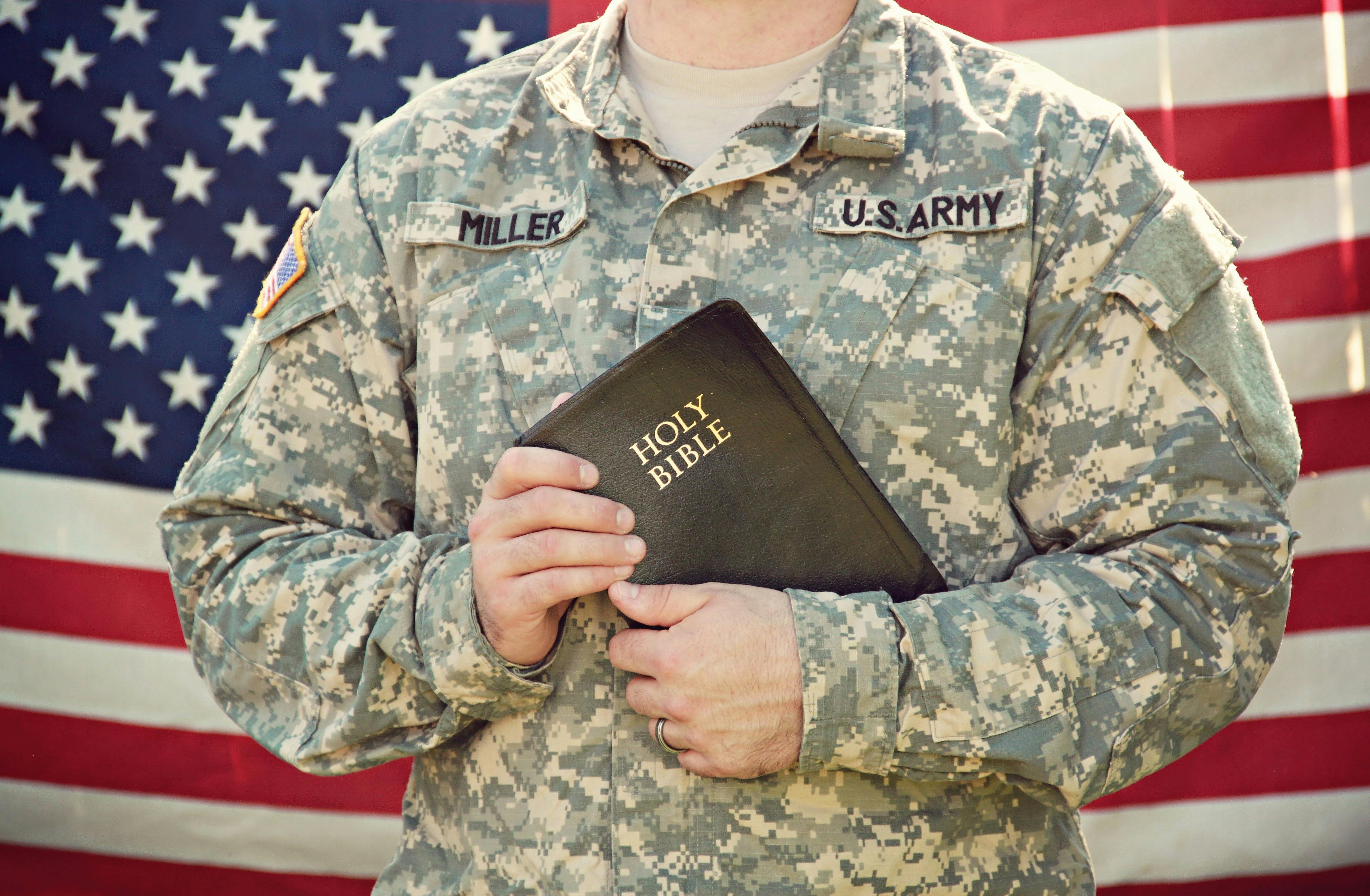 Day 191 – Isaiah 5-8. (lots of familiar word pictures in these chapters)
Chapter 5 begins with an allegory comparing Israel with a vineyard God has lovingly planted. (I’ve heard this made into a poignant song as well.)
God has done all to make “His beloved” a fruitful vine – planting them in the goodly land, protecting them, watering and cultivating them, getting a vat ready for the sweet wine of joy He expected – but, when he came to find the grapes… only sour ones hung there. And so, He will let them go, remove the hedge, stop the rain, allow “beasts” to trample them.
“He looked for justice, but behold bloodshed; for righteousness, but behold an outcry!”
The chapter finishes with six “woes” that show what God has “against” the people. The first one could be leveled against our modern cities. “Woe to those who join house to house, who add field to field, until there is no more room.” Greed is pictured.
Woe to those who rise early in the morning to run after strong drink and tarry late as the wine inflames them! Drunkenness and revelry are pictured, along with neglect of the poor.
Woe to those who draw iniquity with cords of falsehood. “Let the counsel of the Holy One of Israel draw near, and let it come that we man know it.” The ridicule of God’s prophets is pictured.
Woe to those who call evil good and good evil. Confused morality is pictured.
Woe to those who are wise in their own eyes. Arrogance and pride are pictured.
Woe to those who are “heroes” at drinking wine…. who acquit the guilty for a bribe and deprive the innocent of his right. Injustice by drunk and bribed judges is pictured.
.
Chapter six is Isaiah’s glorious vision of God Almighty on His throne. What a privilege to see it!!
“I saw the Lord sitting upon a throne, high and lifted up; and the train of his robe (glory) filled the temple. Above Him stood seraphim. Each had six wings: with two, he covered his face; with two, he covered his feet; and with two, he flew. And one called to another and said:
Holy, holy, holy is the LORD of hosts;
the whole earth is full of His glory!
And the foundations of the thresholds shook at the voice of Him who called, and the house was filled with smoke. And I said, ‘Woe is me! For I am lost; for I am a man of unclean lips, and I dwell in the midst of a people of unclean lips, for my eyes have seen the King, the LORD of hosts!”
After a seraph “cleansed” his mouth with a lump of burning coal, and Isaiah eagerly said, “Here am I. Send me!” the LORD commissioned him to “Go to my people” with a message of destruction and exile. God also told him the people would not hear it. The last verse gives Isaiah hope for a remnant in Israel who WILL hear and believe.
.
Chapter seven inserts some history. King Uzziah is dead, as is his son, King Jotham. Now Uzziah’s grandson, Ahaz reigns, and both Syria AND Israel (the northern tribe) are coming to Jerusalem to make war. Ahaz is scared, as are the people.
The LORD sends Isaiah to help the king. “Be careful, be quiet, do not fear, and do not let your heart be faint because of these two smoldering stumps of firebrands.” “It shall not stand, and it shall not come to pass.”
Then the LORD, through Isaiah, tells King Ahaz to ask a sign of the LORD, be it as deep as the grave or as high as heaven. This sounds strange, but the LORD did give signs to leaders in those days. However, King Ahaz did not ask. (smart or defiant?)
In any case, God gave HIM a sign. “Therefore, the Lord himself will give you a sign. Behold the virgin shall conceive and bear a son and shall call his name Immanuel.” “Before the boy knows how to refuse the evil and choose the good, the land whose two kings you DREAD will be deserted.”
We’re familiar with the first part of that prophecy, which the angel Gabriel used when he told Joseph it was okay to marry the pregnant virgin Mary because she was “with child of the Holy Spirit.” The boy would be “God with us” (Immanuel).
The prophecy in King Ahaz’s time told him that before a child could be conceived and grow to the age where he could tell good from evil, both Syria and the northern kingdom of Israel would be gone.
BUT… the LORD was also going to bring on Judah and its people, “such days as have not come since the day that Ephraim (northern kingdom) departed from Judah. Not Syria…… but the king of Assyria was coming!”
.
Chapter 8 describes the king of Assyria and all his glory as a great river overflowing its banks and sweeping into Judah, reaching to the neck of the people, and filling their land. But an eventual triumph of the faithful remnant of Israel would come, “for God is with us (Immanuel).”
Isaiah was accused of conspiracy by the people, but he was determined to honor the LORD of Hosts. He would let HIM be his fear and his dread. Then the LORD would become both a sanctuary to Isaiah, and a stone of offense and a rock of stumbling to both houses of Israel, and a trap and a snare to Jerusalem.
When the people inquired of mediums and necromancers, Isaiah was to ask them, “Should not the people inquire of their God? Should they inquire of the dead on behalf of the living?”
“And they will look to the earth, but behold distress and darkness, the gloom of anguish. And they will be thrust into thick darkness.”
The next chapter will go on about, “The people who walked in darkness have seen a great light….”
 Morning Meditations